 Benefits & Uses
A 10-Minute Pre-Bed Ritual: Pairing Diffuser Scent with Dim Lights and Quiet Habits
Most nights, the thing keeping you up isn't a lack of lavender in the air. It's that your brain is still running the day's tabs at 10:47pm while a screen six inches from your face is telling your eyes it's still noon. Scent can absolutely be part of fixing that, but only if you stop treating it like a sedative you spray into the room and start treating it like what it actually is: a cue.
Table of Contents
Key Takeaways
- Blue light from screens suppresses melatonin more than warm, dim light does.
- Stimulus control therapy says beds used for everything lose their sleep association.
- A sleep-lab study found lavender odor gave slightly more slow-wave sleep, a gentle effect.
- Bergamot inhalation was linked to parasympathetic activity and lower salivary cortisol in one study.
- Chamomile's insomnia research involves swallowing extract, not inhaling the essential oil.
What's Actually Keeping You Up
Light is the biggest lever most people ignore. Blue-wavelength light from phones, TVs, and overhead LEDs suppresses melatonin release more than warm, dim light does, which is part of why scrolling in bed at full brightness makes it harder to feel sleepy even when you're exhausted (Harvard Health Publishing, 2020, health.harvard.edu). The second lever is consistency, or the lack of it. Sleep researchers have known since the 1970s that insomnia gets worse when the bed is used for everything — phone calls, laptops, arguments, doomscrolling — because the brain stops associating that specific place and that specific routine with sleep. This is the basis of stimulus control therapy, still a core recommendation for chronic insomnia today (Sleep Foundation, 2023, sleepfoundation.org). A diffuser can't fix either of those on its own. But it can become the anchor that ties them together.
Why the Pairing Matters More Than the Oil Itself
Here's where a lot of bedtime-oil advice oversells things: the claim that a particular blend will chemically knock you out. The honest picture is more modest and, frankly, more interesting. In one controlled sleep-lab study, healthy adults exposed to lavender odor overnight showed slightly more slow-wave sleep and less nighttime waking than on unscented nights — a real effect, but a gentle one measured in minutes, not a switch being flipped (Goel, Kim & Lao, 2005, Chronobiology International, pubmed.ncbi.nlm.nih.gov). Bergamot has shown something similar on the calming side: in a small study of healthy women, inhaling bergamot oil was associated with a shift toward parasympathetic nervous system activity and lower salivary cortisol compared to controls (Watanabe et al., 2015, Forschende Komplementärmedizin). Chamomile's sleep research, worth being upfront about, is almost entirely about swallowing a standardized extract, not inhaling the essential oil — a pilot trial on oral chamomile extract for chronic insomnia found modest improvements in daytime symptoms, but that tells us little about what happens when you simply smell it from a diffuser (Zick et al., 2011, BMC Complementary and Alternative Medicine). The National Center for Complementary and Integrative Health sums up the broader field fairly: aromatherapy research for sleep and relaxation exists, but it's limited and mixed, not a settled case (NCCIH, nccih.nih.gov). What the scent is really doing in a bedtime ritual is acting as a repeatable, specific sensory signal — paired night after night with dim light and a quiet activity, it becomes a learned cue your nervous system starts to recognize as "this is the part before sleep," the same conditioning logic behind stimulus control therapy, just built from a smell instead of a rule about the bed.
The Ten Minutes, Broken Down
This doesn't need to be elaborate, and it shouldn't be. Roughly ten minutes, same order, most nights:
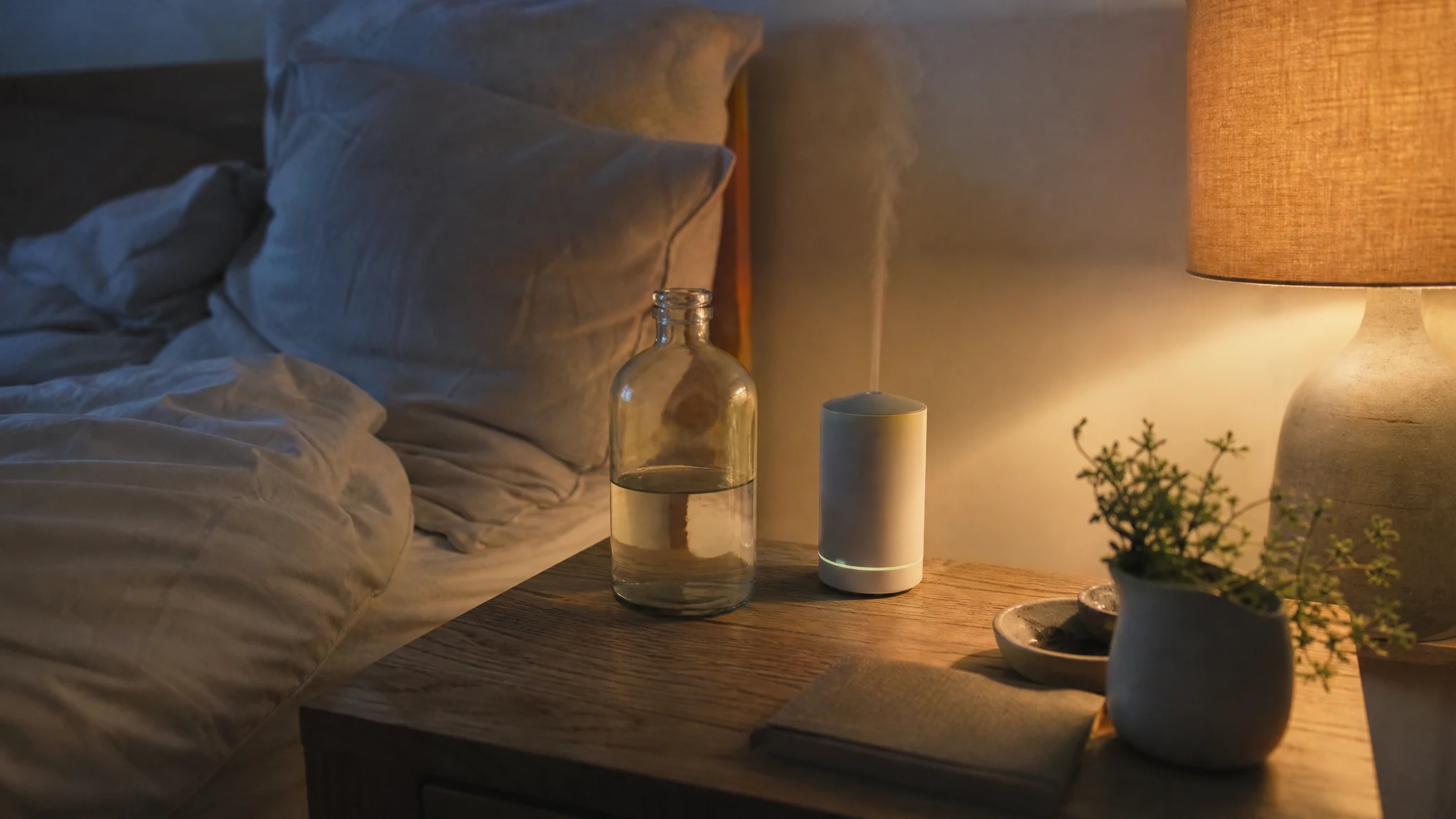
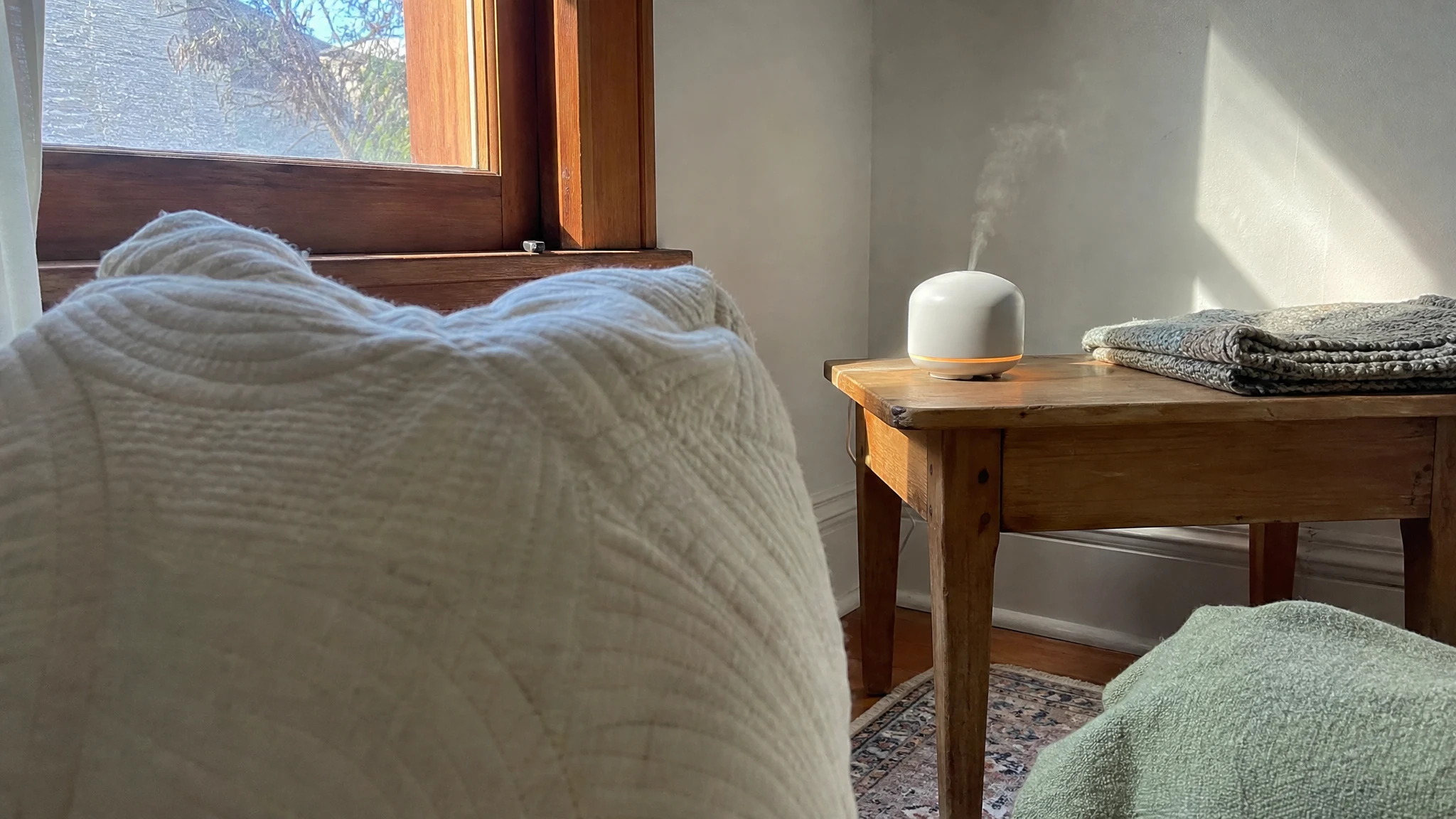
- Minute 0–1: Turn off overhead lights. Switch to a lamp, a dimmer, or candlelight. This is the single most controllable step for melatonin — dim, warm light rather than bright, cool light.
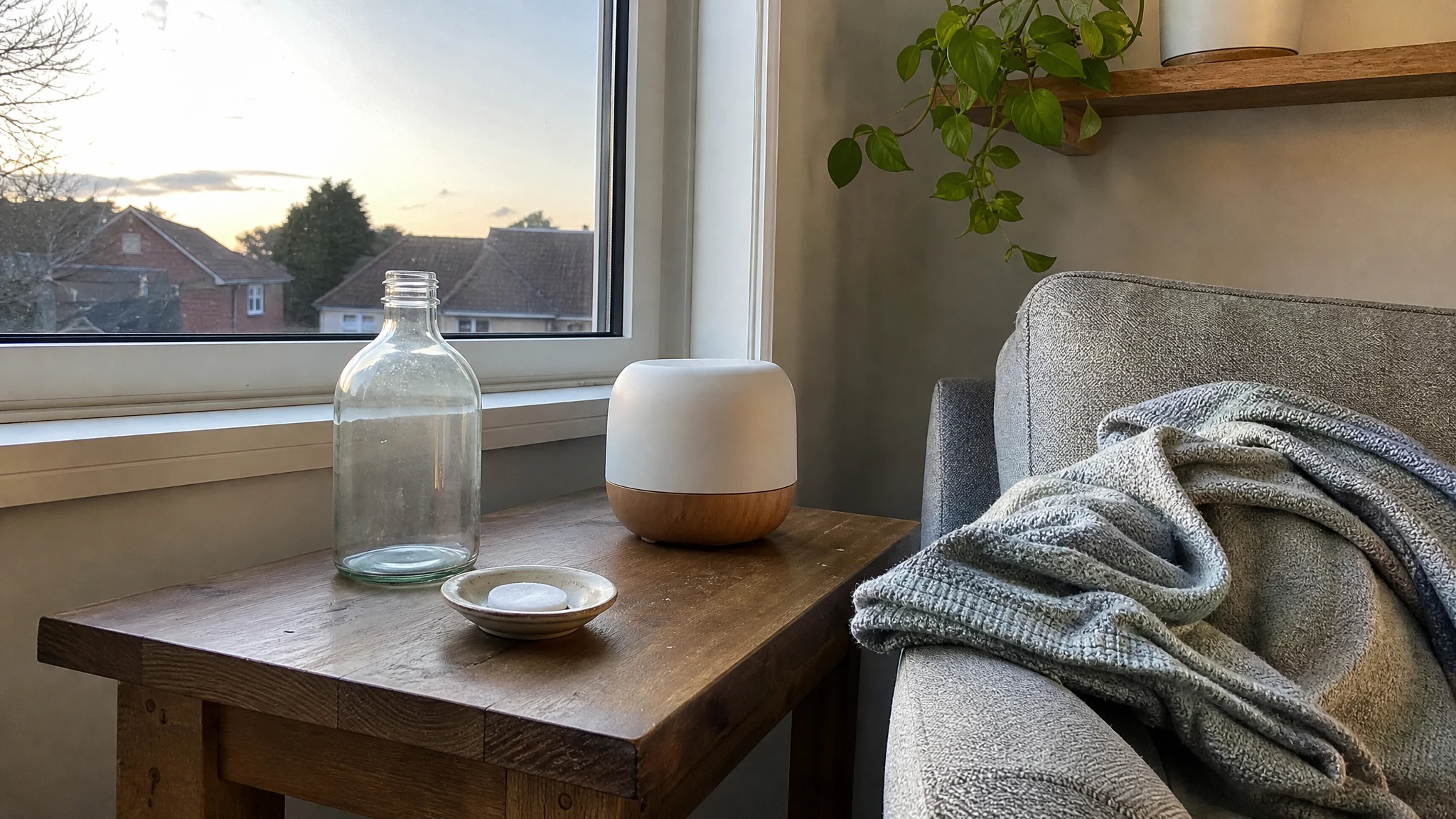
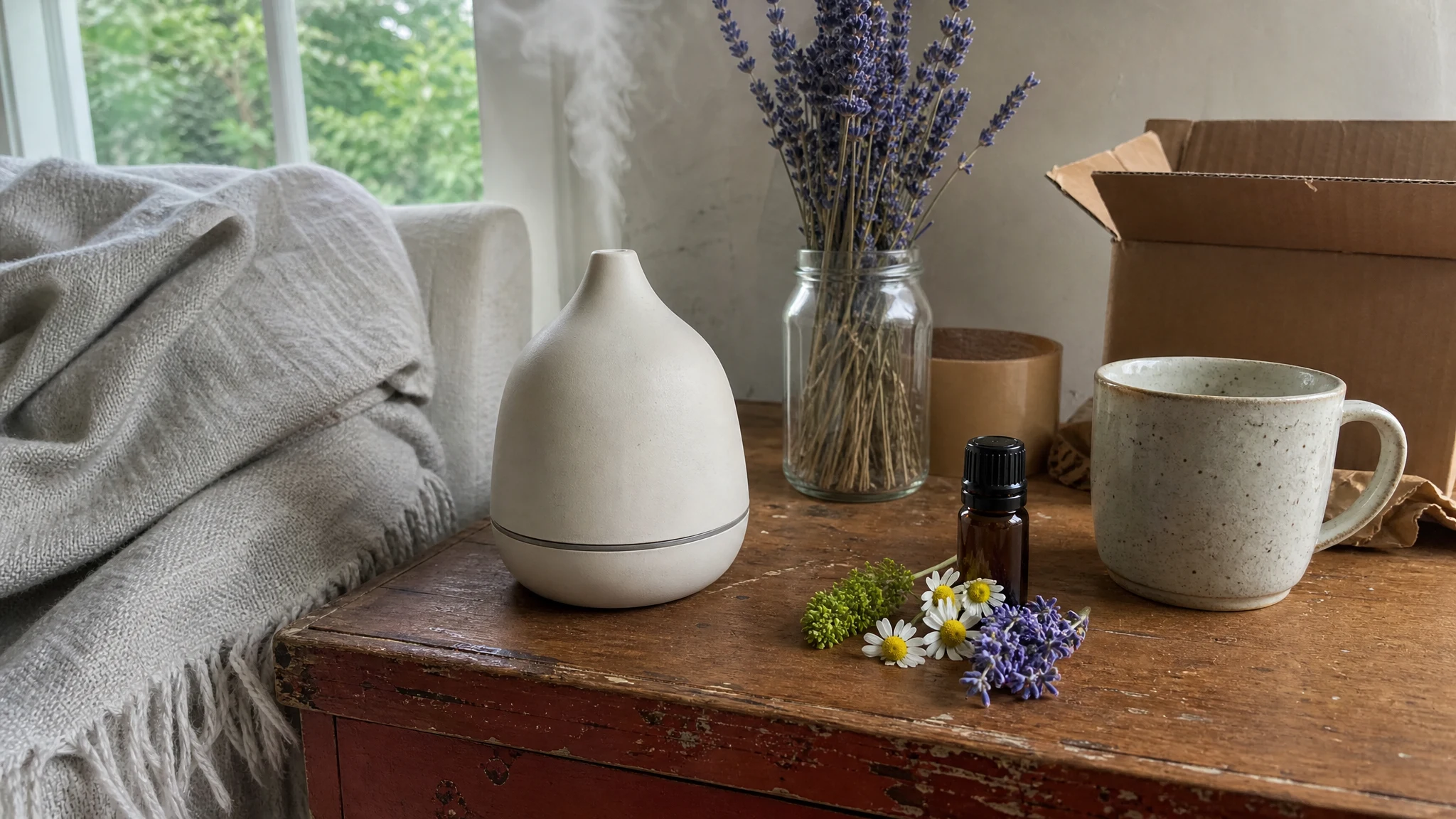
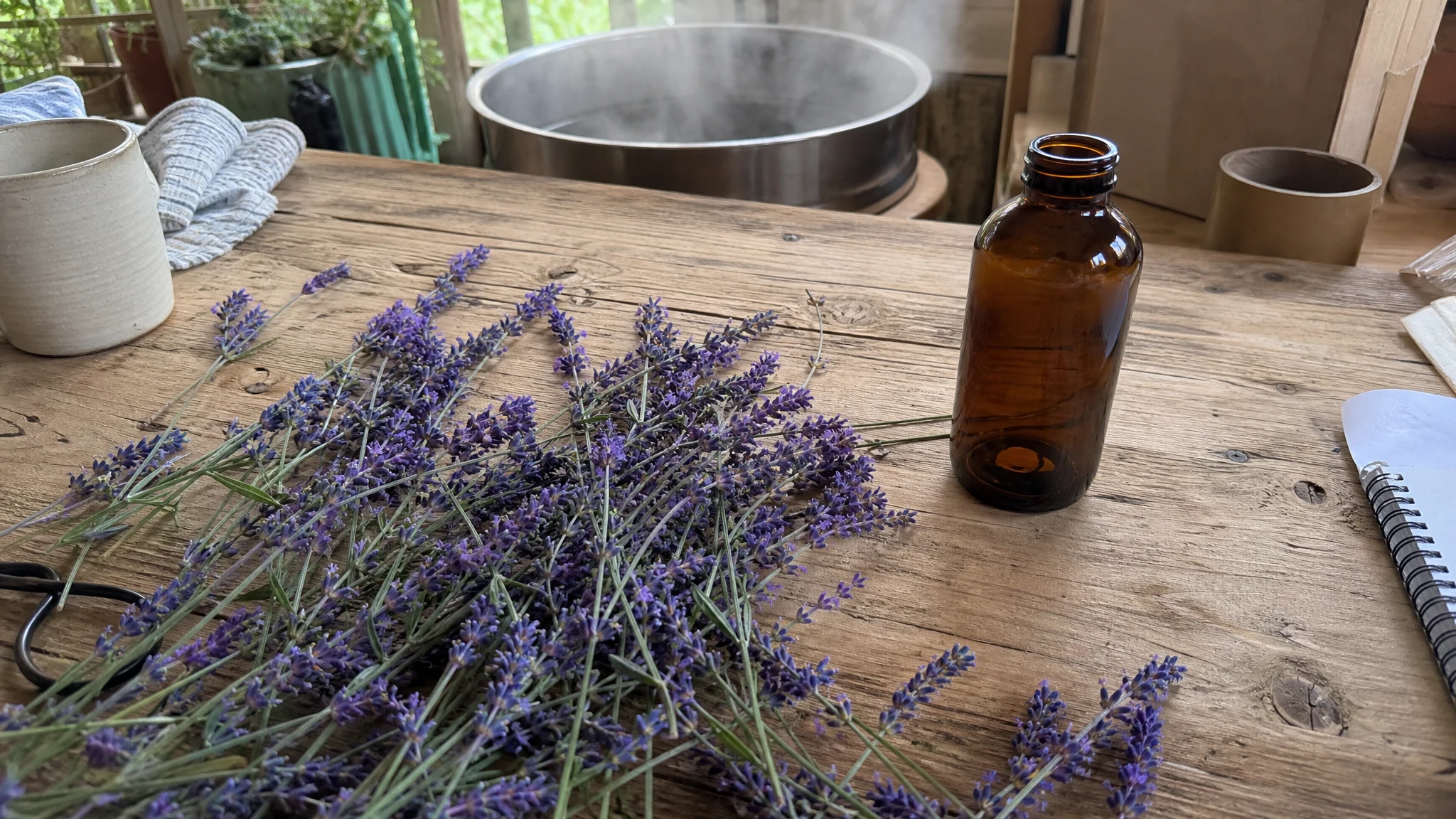
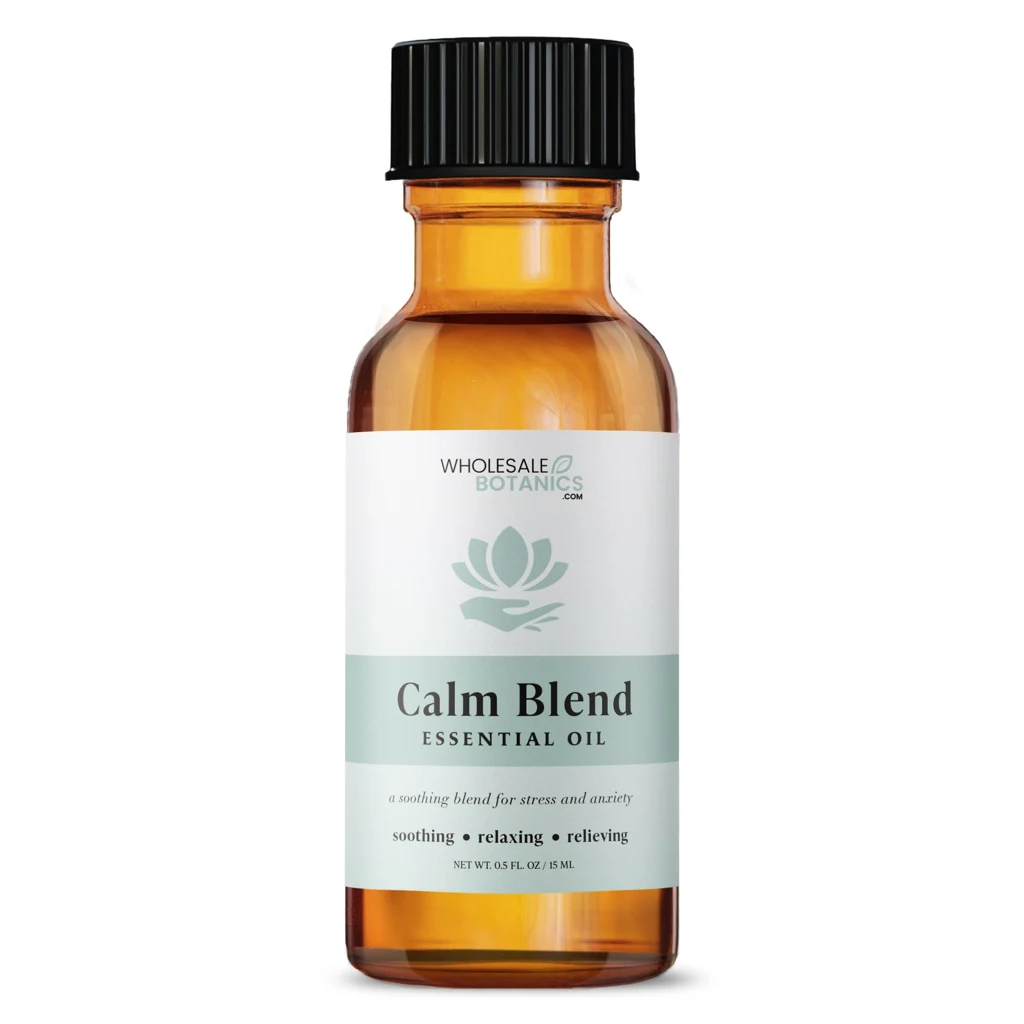
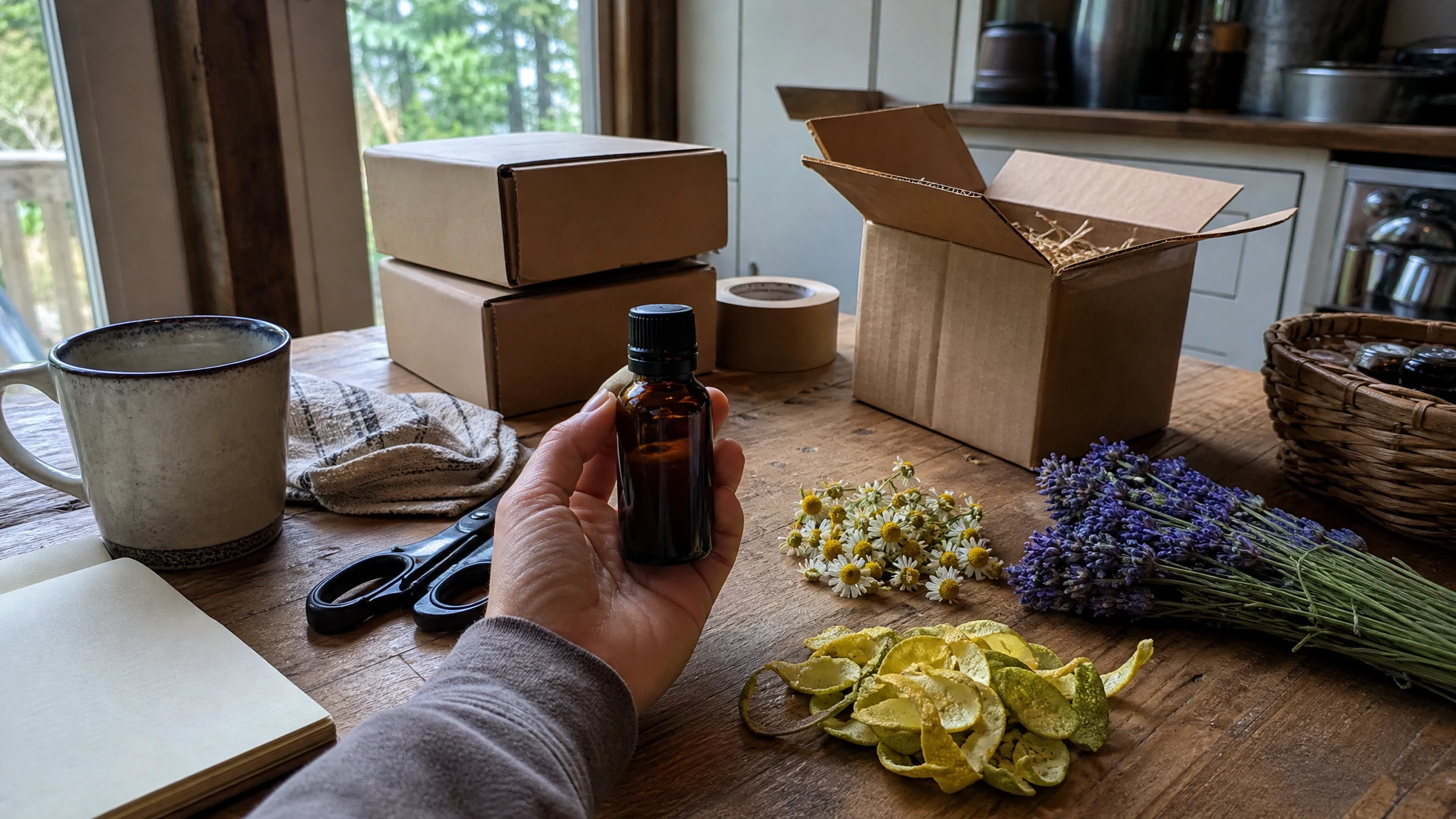
- Minute 1–2: Start the diffuser. Our Calm Essential Oil Blend — steam-distilled lavender and chamomile with cold-pressed bergamot peel — opens bright and citrusy, settles into soft floral, and finishes warm and herbaceous, which gives the room a scent arc rather than one flat note. If you want more depth, it pairs well with cedarwood, vanilla, or sandalwood in the same diffuser.
- Minute 2–9: Pick one quiet, low-stimulation activity and keep it boring on purpose: stretching, reading a few pages of a physical book, writing three lines in a journal, slow breathing. The activity matters less than doing the same one consistently.
- Minute 9–10: Phone goes face-down and out of reach, not just on silent. Lights off.
The order is what builds the association. Light first establishes the signal is starting; scent fills the room while you're doing the quiet activity, so your brain links the smell to winding down rather than to any one task.
Ready to try Calm Essential Oil Blend?
Sold in sizes from 0.5 oz to 16 oz, lab-tested and shipped fast.
Shop Calm Essential Oil BlendBeyond the Diffuser
If you don't want to run a diffuser every night, or you travel, a few lower-effort versions carry the same idea. A cotton pad with a drop or two of the blend tucked inside a dresser drawer scents the linens and sleepwear over several weeks, which means you're smelling it the moment you change for bed — a cue that arrives before you've even reached the bedroom light switch. Stirred into an unscented lotion, it becomes part of a hand-cream step that doubles as the quiet activity itself. Just keep bergamot's one real caution in mind: cold-pressed bergamot peel oil contains compounds called furocoumarins that can make skin more reactive to UV light, so it's better suited to a nighttime lotion than a daytime one before sun exposure (Tisserand & Young, Essential Oil Safety, 2nd ed., 2014).
Give It Nights, Not Minutes
Don't judge this after one try. A conditioned cue needs repetition to mean anything — expect a week or two of consistent nights before the scent itself starts to feel like a signal rather than just a nice smell. If you notice no shift at all after a few weeks of actually sticking to the routine, the scent probably isn't your bottleneck; the schedule, the light, or something more is.
Where This Doesn't Fit
Be clear-eyed about what this is: a wind-down habit, not a treatment. If sleep trouble is frequent, lasts more than a few weeks, or comes with daytime symptoms like persistent fatigue or mood changes, that's a conversation for a physician or a sleep medicine specialist, not a diffuser adjustment. If you share a bedroom with a cat, be cautious about diffusing citrus and other essential oils in that space — cats in particular lack some of the liver enzymes needed to process certain essential oil compounds efficiently, which is why veterinary organizations like the ASPCA advise caution around pets and diffused oils. And if you're pregnant or diffusing around an infant's room, check with your doctor first, since recommendations there are more conservative than for a general adult bedroom. None of that makes the ritual pointless — it just means the oil's job is to anchor a habit, not to do the sleeping for you.
Frequently Asked Questions
How long before a scent-based bedtime ritual actually works?
Give it a week or two of consistent nights, not a single try. The article explains the scent functions as a conditioned cue, and conditioning needs repetition to take hold. If nothing shifts after several weeks of sticking to the routine, the article suggests the scent isn't the bottleneck — look at schedule or light instead.
What order should the ten-minute routine follow?
Dim the lights first, start the diffuser next, do one quiet low-stimulation activity for several minutes, then put the phone face-down and turn lights off. The article says this order matters because light signals the start while scent gets linked to the winding-down activity, not any single task.
Is diffusing this blend considered a sleep treatment?
No, the article is explicit that this is a wind-down habit, not a treatment. It recommends seeing a physician or sleep specialist if sleep trouble is frequent, lasts more than a few weeks, or comes with daytime fatigue or mood changes.
Is it safe to put bergamot oil on skin before going outside?
The article cautions against it: cold-pressed bergamot peel oil contains furocoumarins that increase skin's reactivity to UV light. It notes this makes the oil better suited to a nighttime lotion than a daytime one used before sun exposure.
Can I use this scent without running a diffuser every night?
Yes, the article offers lower-effort alternatives. A cotton pad with a drop or two tucked in a dresser drawer scents linens and sleepwear for weeks, or the blend can be stirred into an unscented lotion as part of a hand-cream step that doubles as the quiet activity.
What does this diffuser blend smell like?
The article describes the Calm Essential Oil Blend as opening bright and citrusy from bergamot, settling into soft lavender florals, and finishing warm and herbaceous with chamomile. It notes the scent can pair with cedarwood, vanilla, or sandalwood for more depth in a diffuser.