 Buying Guides
One Blend or Three Single Oils? Weighing Convenience Against Control for Relaxation Scenting
If you're searching for the best oils for relaxation, you'll keep running into the same three names: lavender, bergamot and chamomile. Then comes the real question. Do you buy them one at a time and mix your own, or buy them already combined? Both are reasonable. The answer depends on what you want to do with the scent, so start there.
Table of Contents
Key Takeaways
- A ready-made blend suits everyday room scenting, while single oils suit making products like candles, soap, or lotion.
- Bergamot is cold-pressed from the rind, while lavender and chamomile are steam-distilled, so they behave differently.
- Citrus peel oil is generally the most volatile, so bergamot opens bright and fades first in a diffuser.
- Cold-pressed bergamot can make skin more reactive to UV light, so dilute before skin contact and avoid strong sun.
- Chamomile is in the daisy family, so people with ragweed-type allergies should consult an allergist first.
First, work out what you're scenting
Most of the confusion goes away once you separate two jobs.
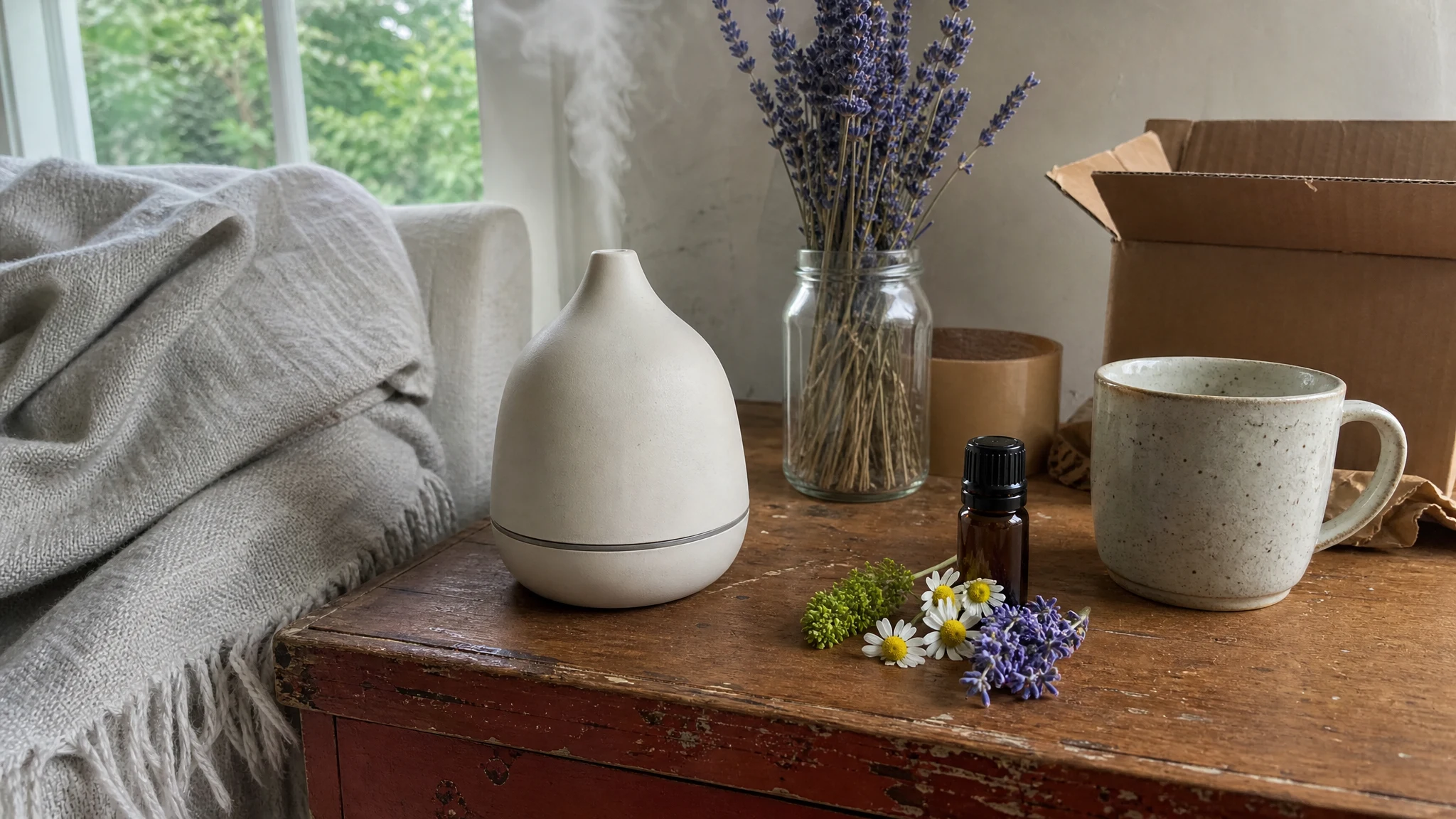
The first job is filling a room: a diffuser in the living room, a corner of an office, a mist for the pillows. Here you want the same pleasant aroma every time, with as few steps as possible.
The second job is making something: a candle, a batch of soap, a lotion. Here you care about proportions, and sometimes about which ingredient goes into which product.
For the first job, a ready-made blend is usually the better buy. For the second, single oils earn their cost. We think that is the honest split, even though we sell a blend.
What actually changes when you mix your own
Three oils are not interchangeable partners. They come from different plants and different processes, and they evaporate at different speeds.
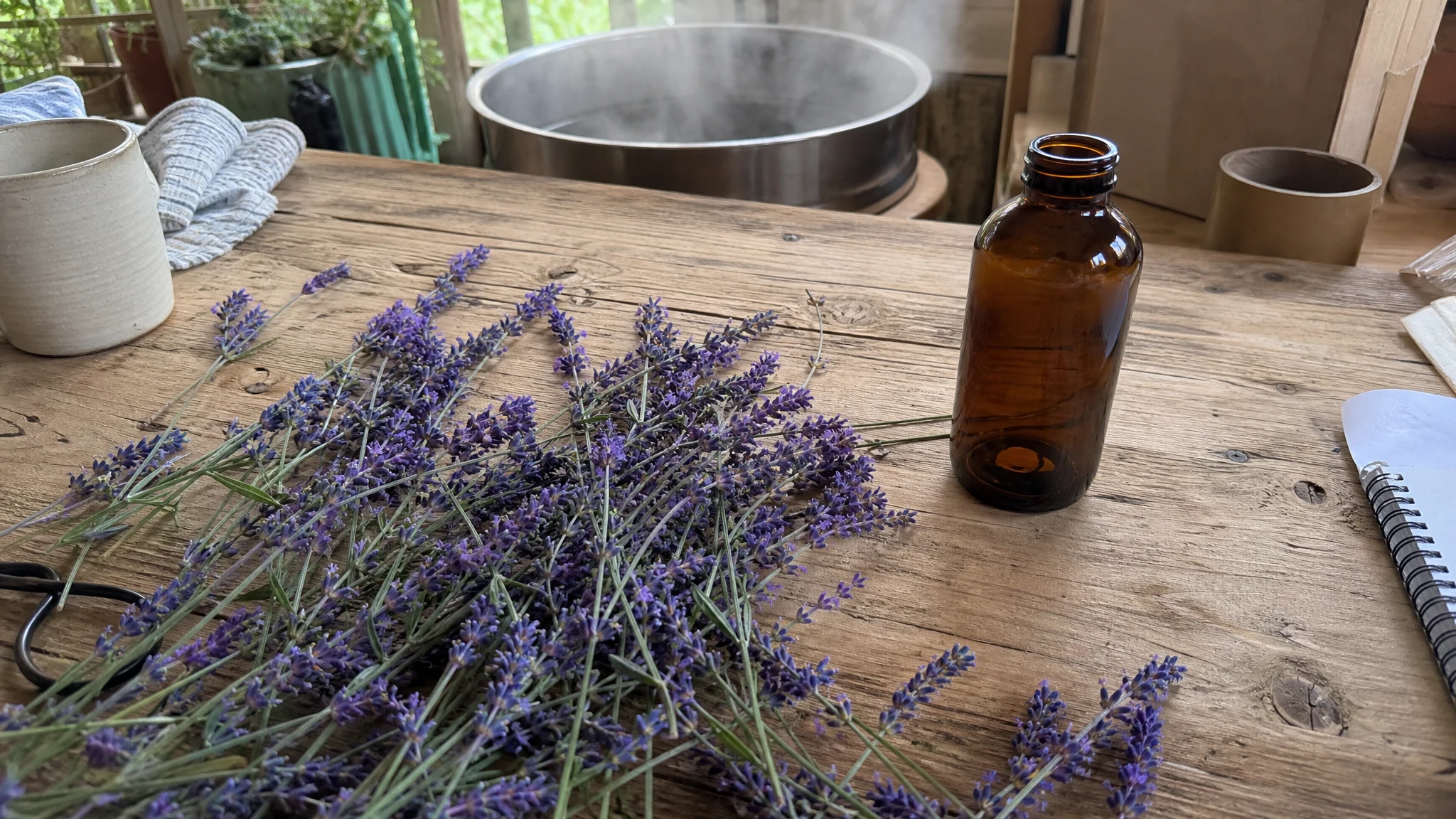
Lavender (Lavandula angustifolia) is steam-distilled from the flower spikes. Chamomile (Matricaria chamomilla) is steam-distilled from the small white and yellow blooms. Bergamot (Citrus bergamia) is cold-pressed from the rind, not distilled. That last point matters more than it sounds. Pressed citrus oil and distilled floral oil behave differently once you start handling them.
Citrus peel oils are generally the most volatile of the three. That is our reasoning from how citrus scent behaves, not a measurement of any particular bottle. Bright citrus is typically the first thing you smell and the first thing to fade. In a diffuser, that means a mix of three singles does not smell the same at minute thirty as at minute two. The citrus opens, the lavender settles in, and the apple-like warmth of chamomile is what lingers.
That arc is what makes the combination appealing. It is also why proportions matter. If you pour a little too much bergamot, the room can smell sharp early on. If chamomile dominates, it can read as a bit flat. Chamomile is the quietest of the three, so it is easy to lose.
Where we land: the blend wins for everyday room scenting
Here is the position we'd defend. If your goal is a calm-smelling living room, buying three singles to recreate a blend is mostly extra work for a result you could have had in one bottle. You pay for three bottles, you spend your first few evenings adjusting drops, and you end up chasing a ratio that someone has already settled.
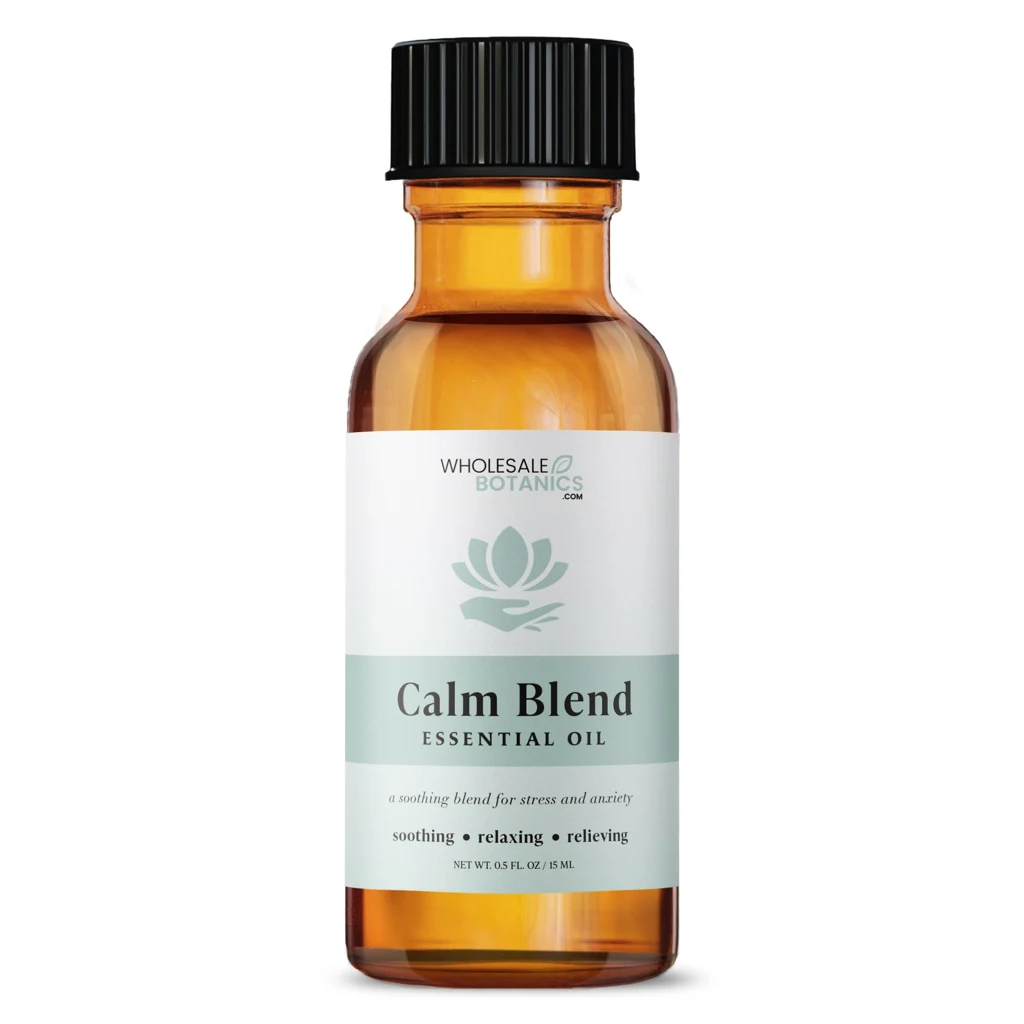
Our Calm Essential Oil Blend combines steam-distilled lavender, steam-distilled chamomile and cold-pressed bergamot peel oil in small batches, in proportions that stay the same from one bottle to the next. It opens with that citrus snap, moves to soft lavender, and finishes warm and herbaceous. The consistency is the thing you are really buying. You don't have to remember last time's recipe.
It also layers well. The blend pairs with cedarwood, vanilla or sandalwood in a diffuser, so you can still experiment without rebuilding the base.
Ready to try Calm Essential Oil Blend?
Sold in sizes from 0.5 oz to 16 oz, lab-tested and shipped fast.
Shop Calm Essential Oil BlendWhen three single oils make more sense
There are real reasons to go the other way.
- You already love one of them. If lavender alone is your scent, a blend with citrus and chamomile is not what you want.
- You want to change the balance with the seasons. More bergamot on a grey morning, more lavender at night. A fixed blend can't do that.
- You need to keep one ingredient out. This is the most practical reason, and it leads to the safety section below.
- You are scenting products with different constraints, where one oil suits a rinse-off soap and not a leave-on lotion.
If you go this route, treat it as a small project. Start with the one you'd use most, and add the others only when you know what gap you're filling.
Who should pause before choosing either
Some limits apply whether you buy one bottle or three.
Bergamot and sun. Cold-pressed bergamot contains furocoumarins such as bergapten, which can make skin more reactive to UV light. For that reason, the fragrance industry's standards body, IFRA, sets restrictions on cold-pressed bergamot in products that stay on the skin. A diffuser is a different use from a leave-on product, but if you plan to put this blend into lotion or a body mist, keep the dilution low and ask a qualified aromatherapist or your pharmacist about it. Our general rule is simple: dilute before any skin contact, and keep scented skin products out of strong sun.
Chamomile and allergy. Chamomile belongs to the daisy family (Asteraceae). The U.S. National Center for Complementary and Integrative Health notes that people who are allergic to related plants such as ragweed can react to chamomile (NCCIH). If you have a known allergy to that plant family, talk to an allergist before you bring chamomile-containing products into the house. In that case, a single-oil route that leaves chamomile out is the better one.
Pregnancy, small children, pets and respiratory conditions. Whether a given oil is suitable in those situations is a decision for your doctor, pediatrician or veterinarian, not for a blog post. Keep ventilation good, run a diffuser in short sessions, and keep bottles out of reach of children and pets.
One more honest limit: scent can make a space feel more inviting, and that is as far as we go. It's a sensory pleasure, not a treatment, and it won't replace sleep habits, medical care or professional support if you're struggling.
A simple way to check your choice
Whichever path you take, run a short test before committing a whole evening or a whole batch of candles.
- Diffuse in a room with the window slightly open for a short session, then step out and walk back in. A scent that feels pleasant on re-entry is a good sign. One that feels heavy is a sign to use less.
- Check it again an hour later. You are looking for how the scent ends up, not only how it opens.
- If you're building your own, write down your drop counts on the first try so you can repeat the good version. Judge by whether you'd want the same smell tomorrow.
If you reach for the blend, you've skipped steps one through three of the recipe. If you reach for singles, you've gained control. Both end at the same place, a room that smells like lavender, bergamot and chamomile doing their jobs. For more buying guides, browse all our articles.
Frequently Asked Questions
When is a ready-made blend the better choice than three single oils?
A ready-made blend is usually the better choice when you want to scent a room, such as a diffuser, office corner, or pillow mist. You get the same aroma every time with fewer steps, and you skip the first evenings spent adjusting drops to chase a ratio someone has already settled.
Why does a homemade mix of three oils smell different over time in a diffuser?
The oils evaporate at different speeds, so the scent changes as the diffuser runs. Citrus peel oil is generally the most volatile, so bergamot opens bright and fades first, then lavender settles in and chamomile's apple-like warmth lingers. This is the article's reasoning about citrus behavior, not a measurement of any particular bottle.
When do single oils make more sense than a blend?
Single oils make more sense when you want control over the ingredients. That includes loving one oil on its own, shifting the balance with the seasons, keeping one ingredient out, or scenting products with different constraints. If you go this route, start with the one you'd use most and add others later.
Should I be cautious with bergamot on skin?
Yes, be cautious, because cold-pressed bergamot contains furocoumarins such as bergapten, which can make skin more reactive to UV light. IFRA restricts it in leave-on products. If you plan to use it in lotion or a body mist, keep dilution low, ask a qualified aromatherapist or pharmacist, and avoid strong sun.
Can people with ragweed allergies use chamomile-containing blends?
They should talk to an allergist first. Chamomile belongs to the daisy family (Asteraceae), and the NCCIH notes people allergic to related plants such as ragweed can react to it. For anyone with a known allergy to that family, a single-oil route that leaves chamomile out is the better choice.
How can I test a scent before committing to it?
Run a short test diffusion before committing a whole evening or batch of candles. Diffuse in a room with the window slightly open, step out, then walk back in. A scent that feels pleasant on re-entry is a good sign, while one that feels heavy means use less. Check again an hour later.