 Benefits & Uses
Fitting Scent into a Daily Self-Care Routine: Simple Habits That Pair with a Calming Aroma
Here is the pattern that trips up almost everyone who buys a calming oil blend: the first few days it's wonderful, and by day six you can barely smell it at all. People usually conclude the oil has gone flat or they bought a weak batch. In most cases, the oil is fine. Your nose just did exactly what noses are built to do.
Table of Contents
Key Takeaways
- Scent fading after days reflects olfactory adaptation, not a weak or flat oil batch.
- Pairing the Calm blend with an existing daily habit builds a lasting scent-memory cue.
- Short, timed diffuser sessions outpace nose adaptation better than running it all day.
- Cold-pressed bergamot contains bergapten, which can cause skin sensitivity to UV light.
- Cats lack liver enzymes to process essential oils, so diffuse only in rooms they can leave.
Your nose is the real variable, not the oil
Olfactory receptors adapt to a constant stimulus within minutes and keep adapting the longer the exposure continues, a process researchers call olfactory adaptation or habituation (Dalton, 2000, Chemical Senses). Run a diffuser all day in the same room you're sitting in, and your brain quietly turns the volume down on that signal so it can keep noticing new smells, which is more useful to survival than registering the same one indefinitely. Running the diffuser longer or adding more drops doesn't out-run this; it just burns through the blend faster while your nose keeps adapting at the same rate. The fix isn't more oil, it's rhythm: short, repeated exposures, spaced out, rather than one long continuous wash of scent.
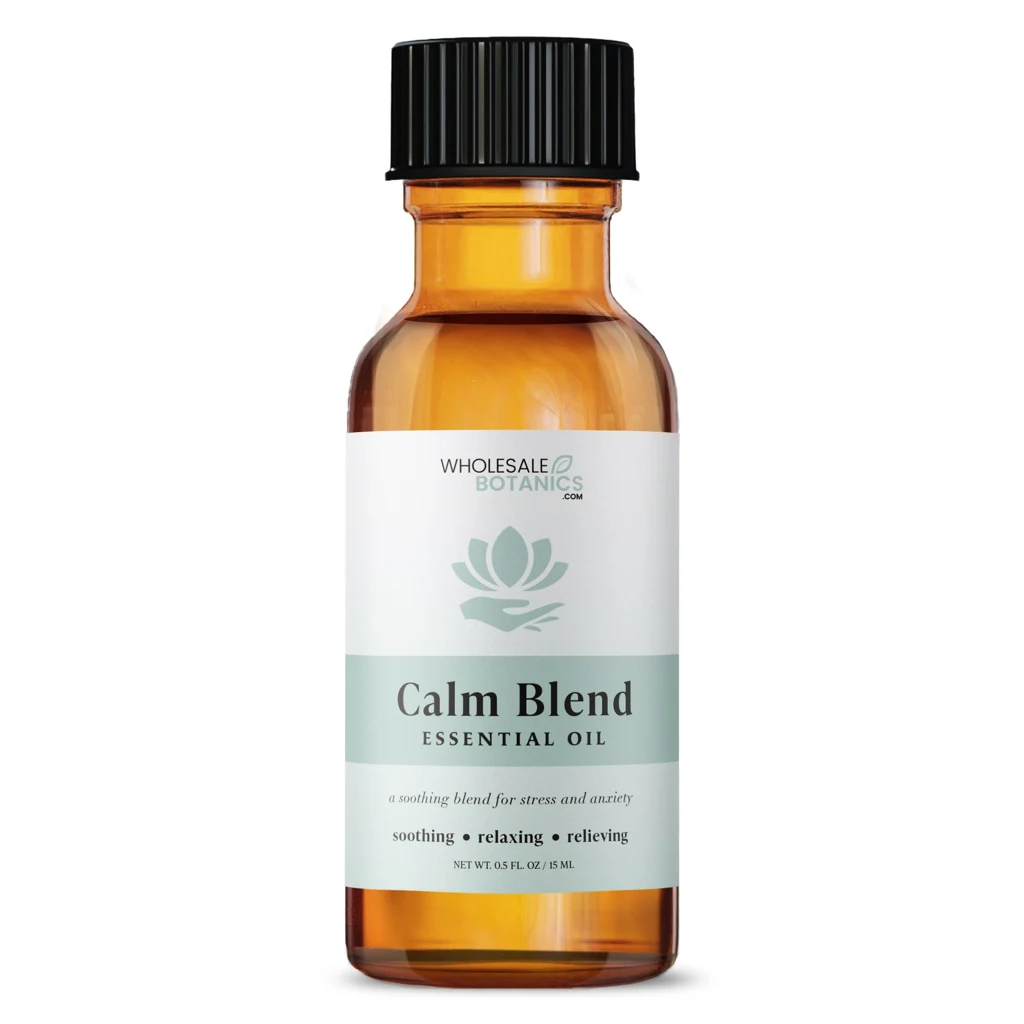
Ready to try Calm Essential Oil Blend?
Sold in sizes from 0.5 oz to 16 oz, lab-tested and shipped fast.
Shop Calm Essential Oil BlendDecide when scent shows up, not just where it smells nice
This is where most advice about aromatherapy habits gets it backwards, aiming for 'the right room' instead of 'the right moment.' Smell is one of the few senses with a direct line to the brain's memory and emotion circuitry, and repeated pairing of a specific scent with a specific context builds a learned association over time, a mechanism well documented in olfactory memory research (Herz & Engen, 1996, Psychonomic Bulletin & Review). In practice, that means the habit sticks better when you tie the Calm blend to something you already do daily, rather than scenting a room and hoping you notice. Diffusing it while you make coffee, while you unwind at your desk at 5pm, or while you get ready for bed gives your brain a consistent cue to attach to, so the scent starts to signal the moment rather than just occupy the air.
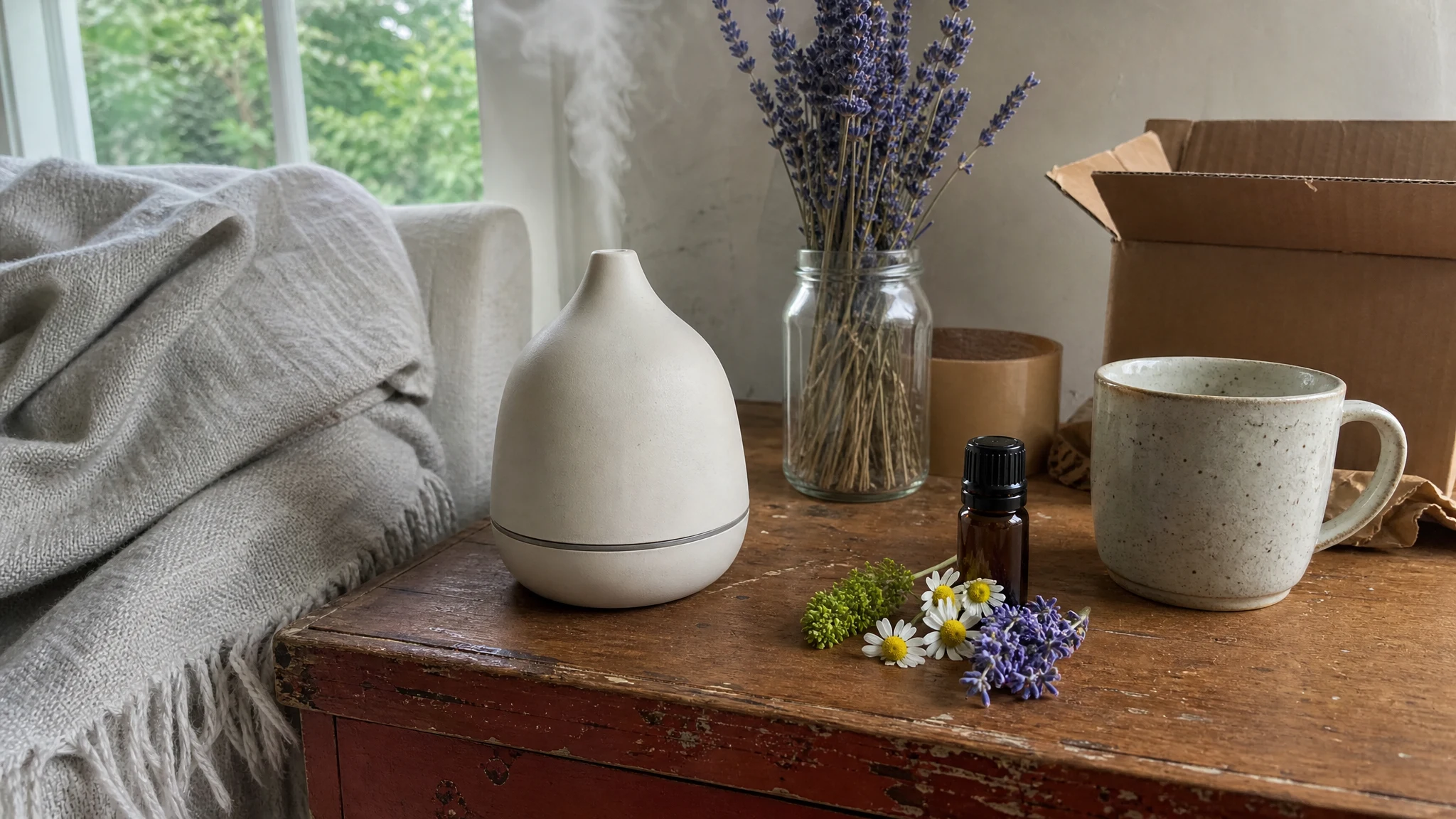
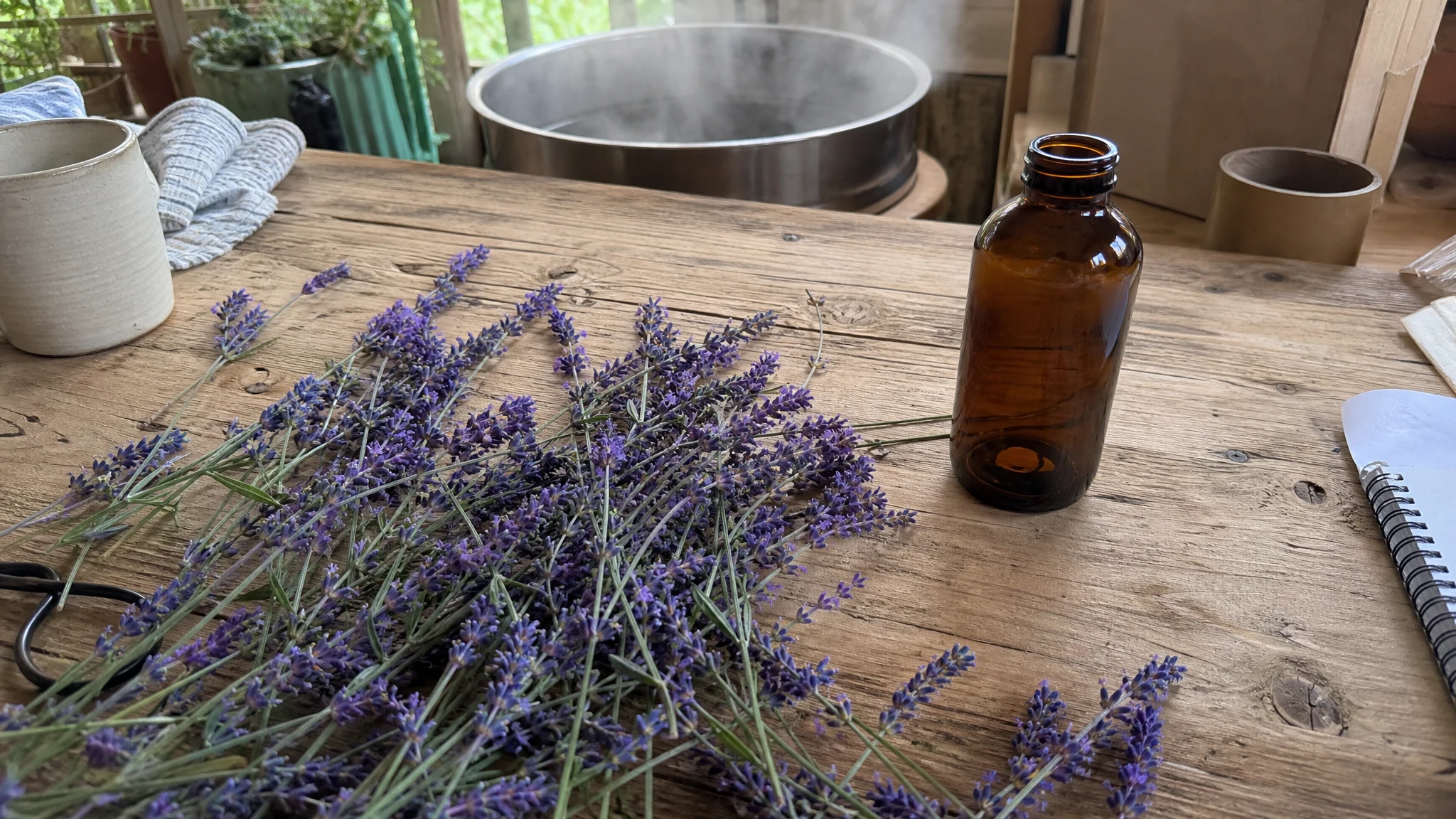
We steam-distill the lavender from Lavandula angustifolia spikes and the chamomile from Matricaria chamomilla blossoms separately, then cold-press the bergamot peel from Citrus bergamia, and combine the three in small batches. The blend opens with a bright citrus snap from the bergamot, settles into lavender's soft floral middle, and finishes on chamomile's gentle, apple-like warmth, reading as rounded and herbaceous rather than sharp or sweet. If you want variety without losing that anchor scent, it layers well with cedarwood, vanilla, or sandalwood in a diffuser blend, which keeps the ritual familiar while giving your nose something slightly different to notice each time.
Four low-effort ways to actually use it
None of these require a dedicated 'wellness ritual' with candles and twenty minutes to spare. They work because they attach to things you're already doing.
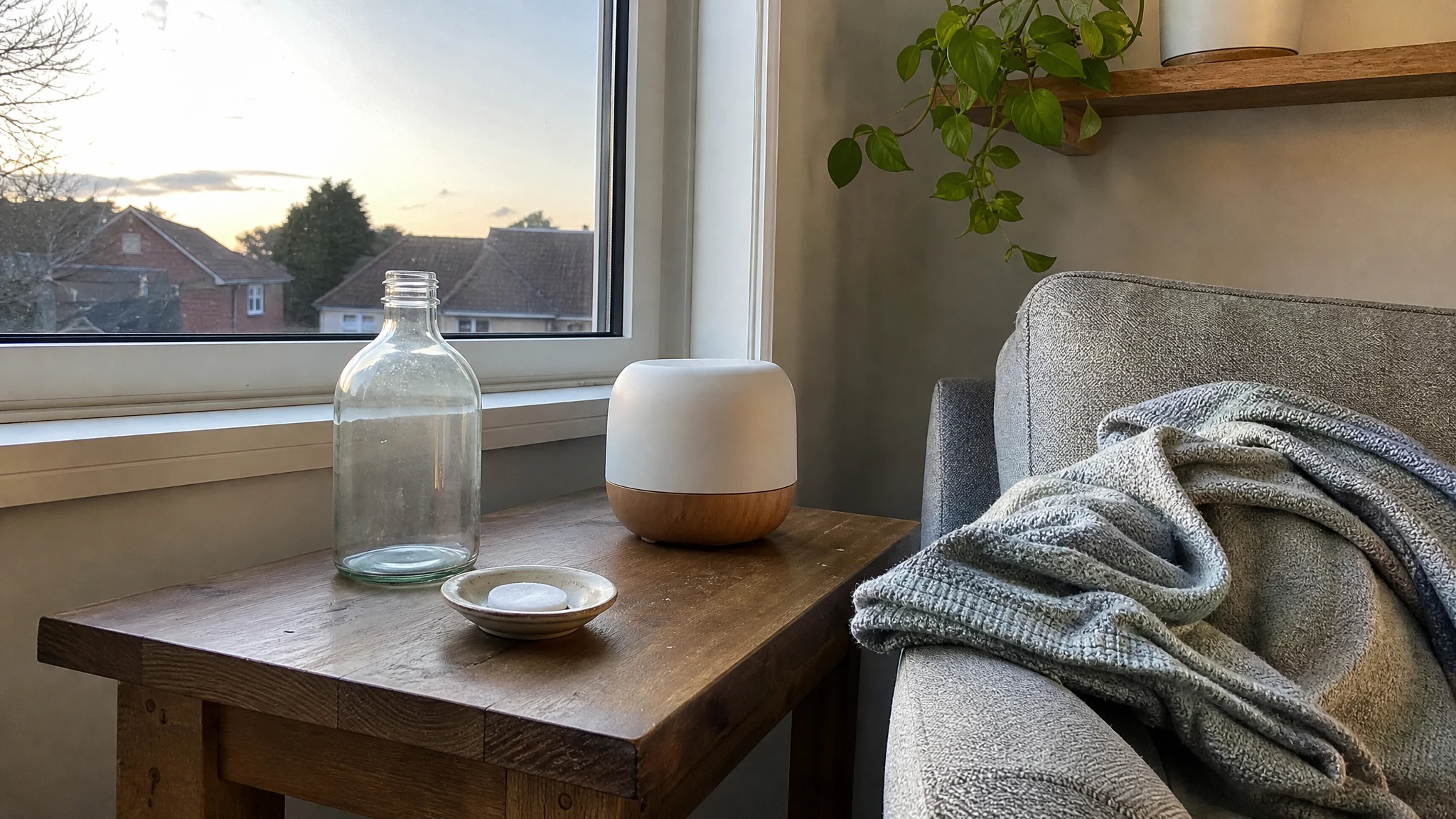
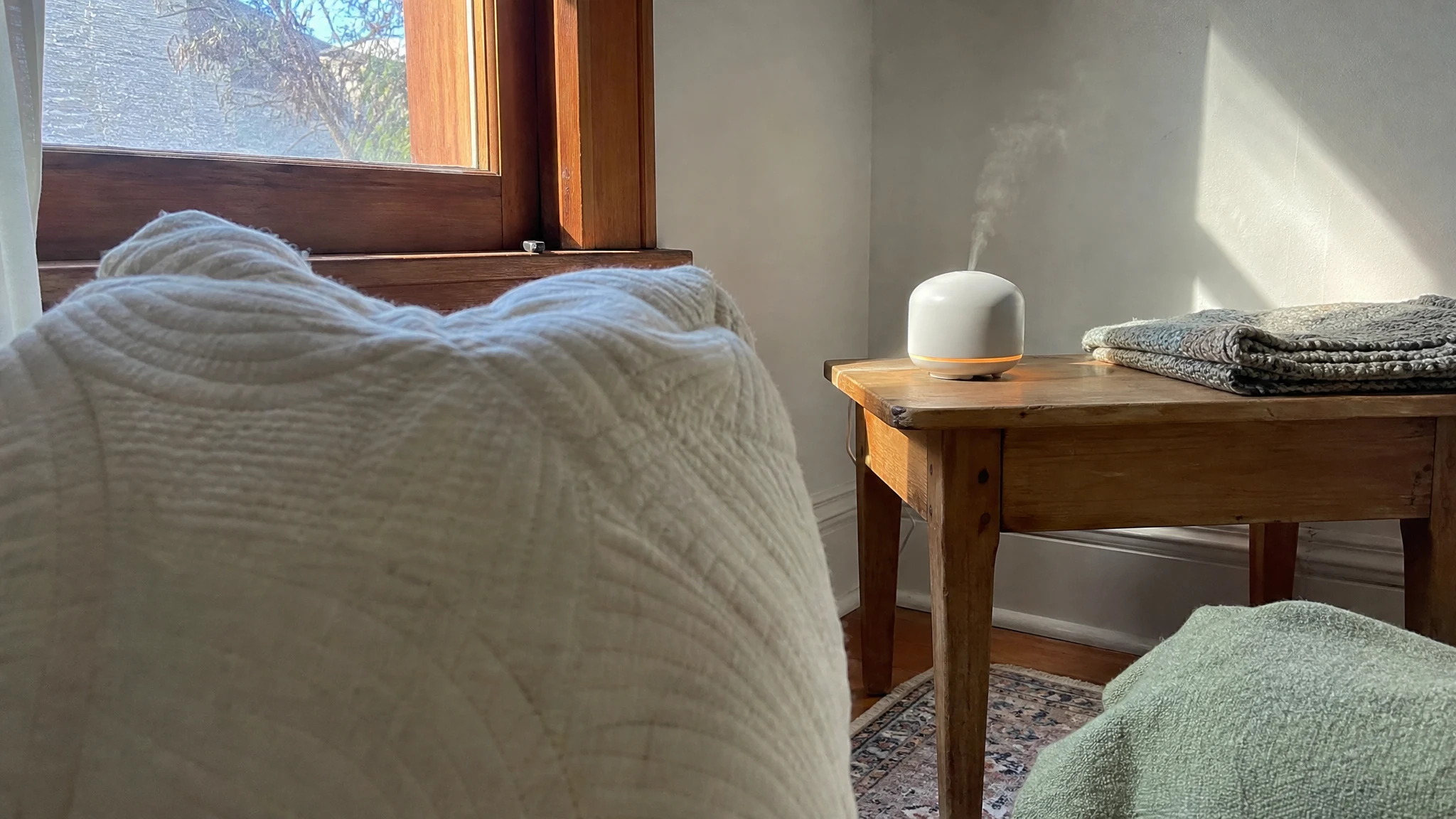
- Diffuser, timed, not constant. Run it for the hour you're actually in the room, near a desk or living room, rather than from morning to night. Shorter bursts outpace adaptation better than marathon sessions.
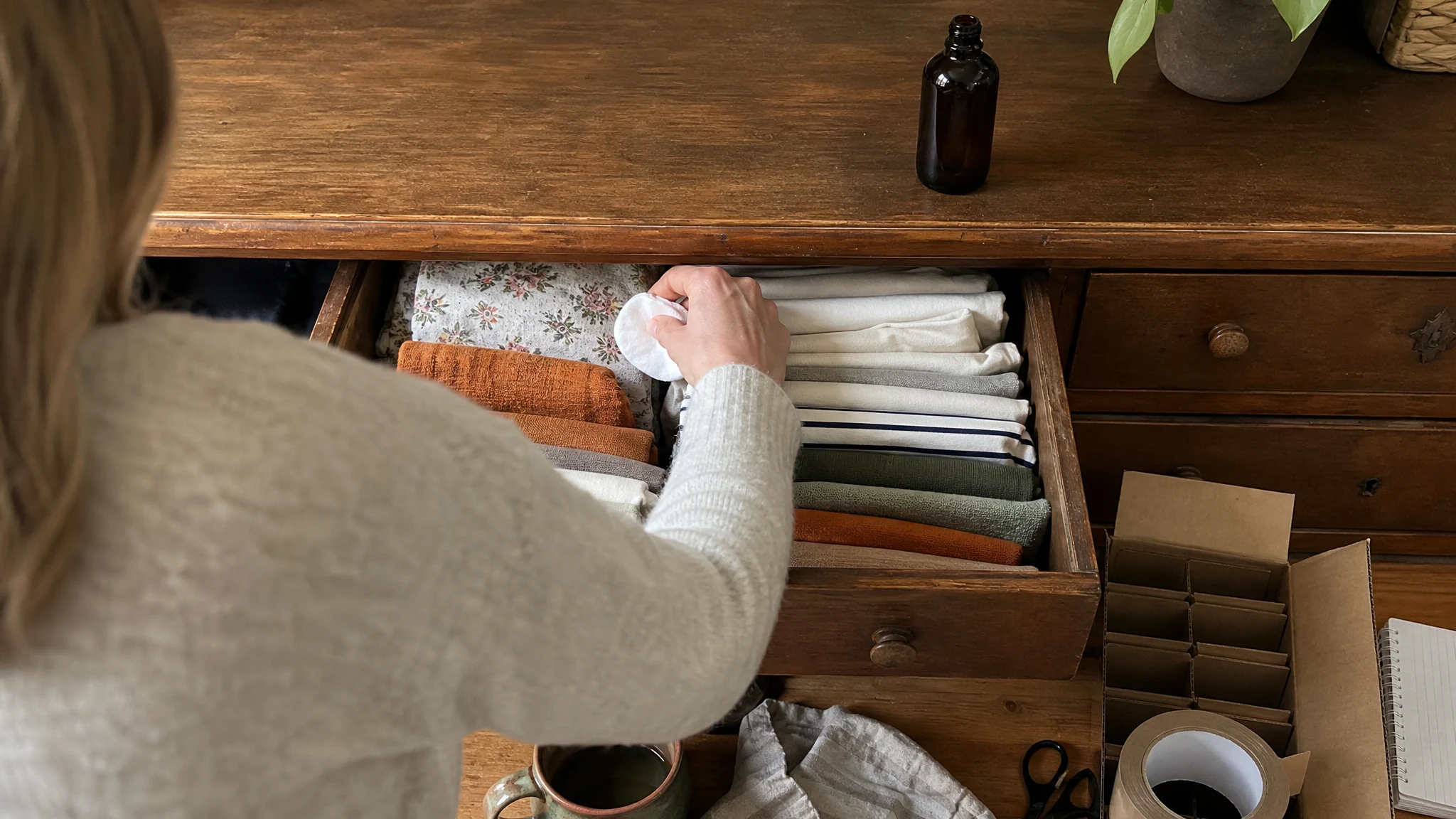
- A scented cotton pad in a drawer or gym bag. A few drops on a cotton pad tucked among folded clothes releases slowly and keeps that drawer or bag smelling like the blend for weeks, with zero daily effort once it's in place.
- Stirred into melted soap base or candle wax. Carrying the fragrance into a finished good ties it to a habit you'd do anyway, like washing your hands or lighting a candle at the end of the day.
- A few drops in unscented lotion, or in water and witch hazel as a room mist. Pairing it with a lotion you already apply after a shower, or a quick mist before sitting down to read, builds the same cue-based association described above.
Before it touches skin
Cold-pressed bergamot oil naturally contains bergapten, a compound that can increase skin's sensitivity to UV light when applied topically and then exposed to sun, a well-established phototoxicity concern for expressed citrus oils (Tisserand & Young, Essential Oil Safety, 2nd ed., 2014). We recommend diluting this blend before any skin contact and avoiding direct sun on treated skin for several hours afterward. A dermatologist or a certified aromatherapist can advise on appropriate dilution for your skin type, and anyone pregnant, nursing, or managing a medical condition should check with their physician before adding any essential oil blend to a skincare routine. Keep it away from cats specifically: cats lack certain liver enzymes that most mammals use to process many essential oil compounds, which makes them considerably more sensitive to diffused or topical oils than dogs or humans (Pet Poison Helpline, n.d.). If you have cats in the house, keep diffusing to well-ventilated rooms they can leave, and never apply any essential oil directly to a cat's fur or skin.
How to tell the habit is actually sticking
Don't judge success by whether you can still smell it strongly weeks in; if the scent has faded into the background of a room you spend a lot of time in, that's your nose doing its normal adaptation work, not a sign the habit failed. A better marker is whether you reach for the diffuser or the lotion without having to think about it, the way you reach for your toothbrush. If you want to re-notice the scent itself occasionally, skip a day or two, or switch which cedarwood, vanilla, or sandalwood pairing you're using that week, then come back to the Calm blend on its own. That reset is simpler and cheaper than adding more oil, which, per the adaptation point above, won't make much difference anyway.This kind of habit isn't a fit for everyone. If you're looking for a single dramatic effect rather than a quiet background routine, or if you're hoping scent alone will resolve something that needs medical attention, this isn't the right tool for that job. But as a small, repeatable anchor woven into a few minutes you already have in your day, it's a genuinely low-effort way to give an ordinary moment a bit more texture. You can find the blend described here on our shop page, and there's more on building routines like this in our other articles.
Frequently Asked Questions
Why can't I smell the Calm blend anymore after a week of diffusing it?
Your nose has adapted to the constant scent, not the oil going flat. Olfactory receptors quickly adjust to steady stimuli so the brain can keep noticing new smells, a documented process called olfactory adaptation. More oil or longer diffusing won't reverse this; it just burns through the blend faster at the same adaptation rate.
How long should I run the diffuser each day for the best effect?
Run it only for the hour you're actually in the room, not continuously from morning to night. Shorter, repeated bursts outpace the nose's adaptation better than one long marathon session, since adaptation happens regardless of how much oil is used.
Can I apply the Calm blend directly to my skin?
No, it should be diluted first. The cold-pressed bergamot oil contains bergapten, which can increase skin's sensitivity to UV light, so the article recommends diluting before skin contact and avoiding sun on treated skin for several hours afterward.
Is the Calm blend safe to diffuse around cats?
Use caution, since cats are more sensitive to essential oils than dogs or humans. They lack certain liver enzymes needed to process many essential oil compounds, so the article advises diffusing only in well-ventilated rooms cats can leave and never applying the oil directly to their fur or skin.
How do I know if the scent habit is actually working?
Success is reaching for the diffuser or lotion automatically, not still smelling the scent strongly. The article says a faded scent in a familiar room is just normal nose adaptation, while reaching for it without thinking, like a toothbrush, is the real marker of a stuck habit.
What other scents can I pair with the Calm blend for variety?
The article says it layers well with cedarwood, vanilla, or sandalwood in a diffuser blend. Rotating these keeps the ritual familiar while giving your nose something slightly different to notice, and is suggested as a cheaper reset than adding more Calm oil.