 Buying Guides
Essential Oil Blend vs Fragrance Oil: What Is Different About a Botanical Calming Scent?
Stand in front of a shelf of "calming" scented oils and you'll see essential oil, essential oil blend, and fragrance oil used almost interchangeably, like they're all just flavors of the same thing. They're not. The difference comes down to where the smell actually originates, and that single fact changes what's really in the bottle, how consistent it will be from batch to batch, and what the maker is even required to tell you about it.
Table of Contents
- Two different starting points
- How a calming blend like this one actually gets made
- Why that changes what's actually in the bottle
- What you're actually allowed to know
- Where each one actually earns its place
- Two things worth being careful about with this specific blend
- How people actually use a blend like this
- Who should look elsewhere
Key Takeaways
- Fragrance oil is synthetic; essential oil blends must start from named plant species.
- Lavender and chamomile are steam-distilled, while bergamot is cold-pressed from the peel.
- ISO 3515 sets a compositional range for lavender oil, not a fixed number, due to natural variation.
- Fragrance ingredients are exempt from individual label disclosure under 21 CFR 701.3(a).
- Cold-pressed bergamot retains furocoumarins like bergapten, which can increase skin's UV reactivity.
Two different starting points
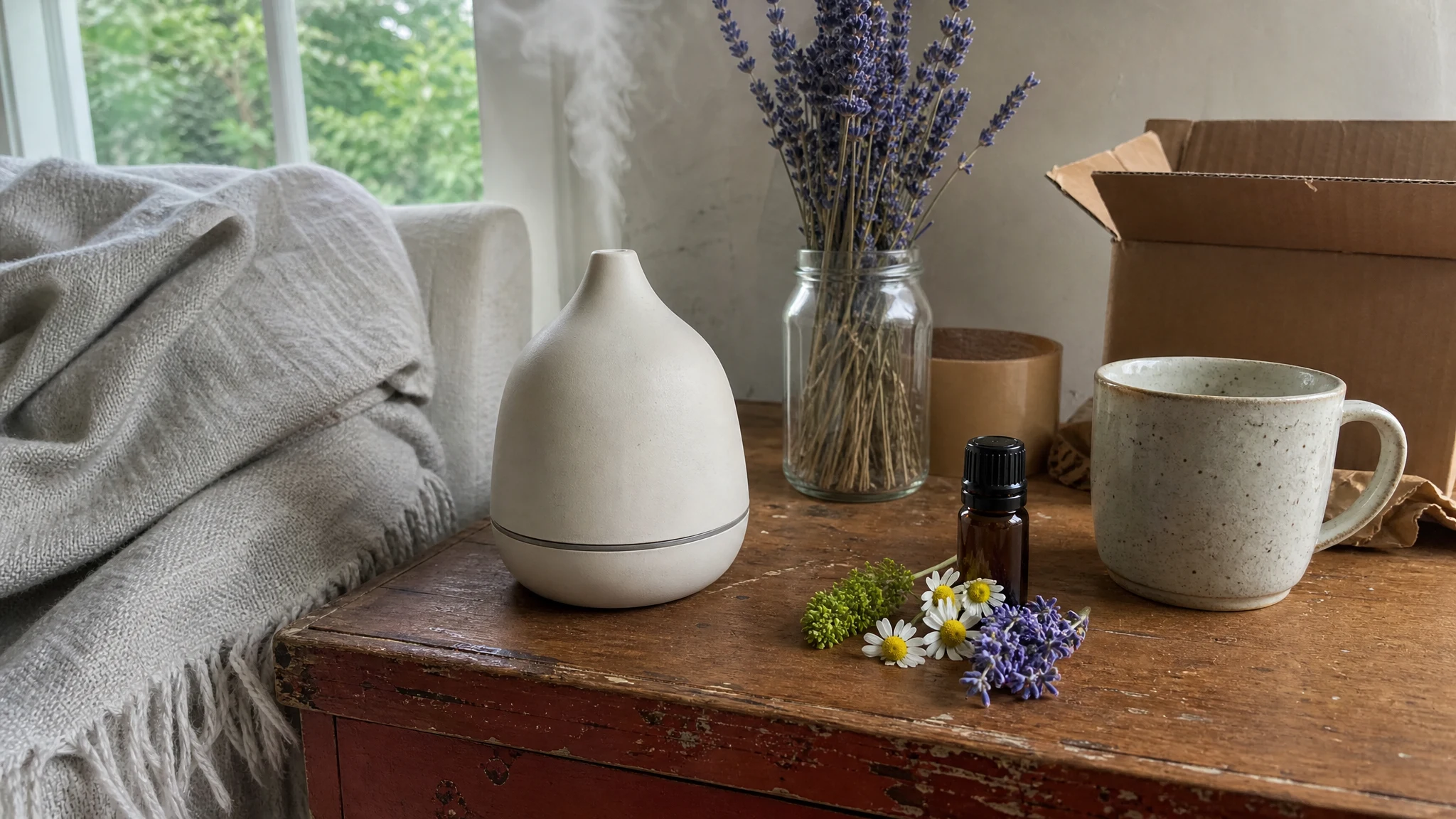
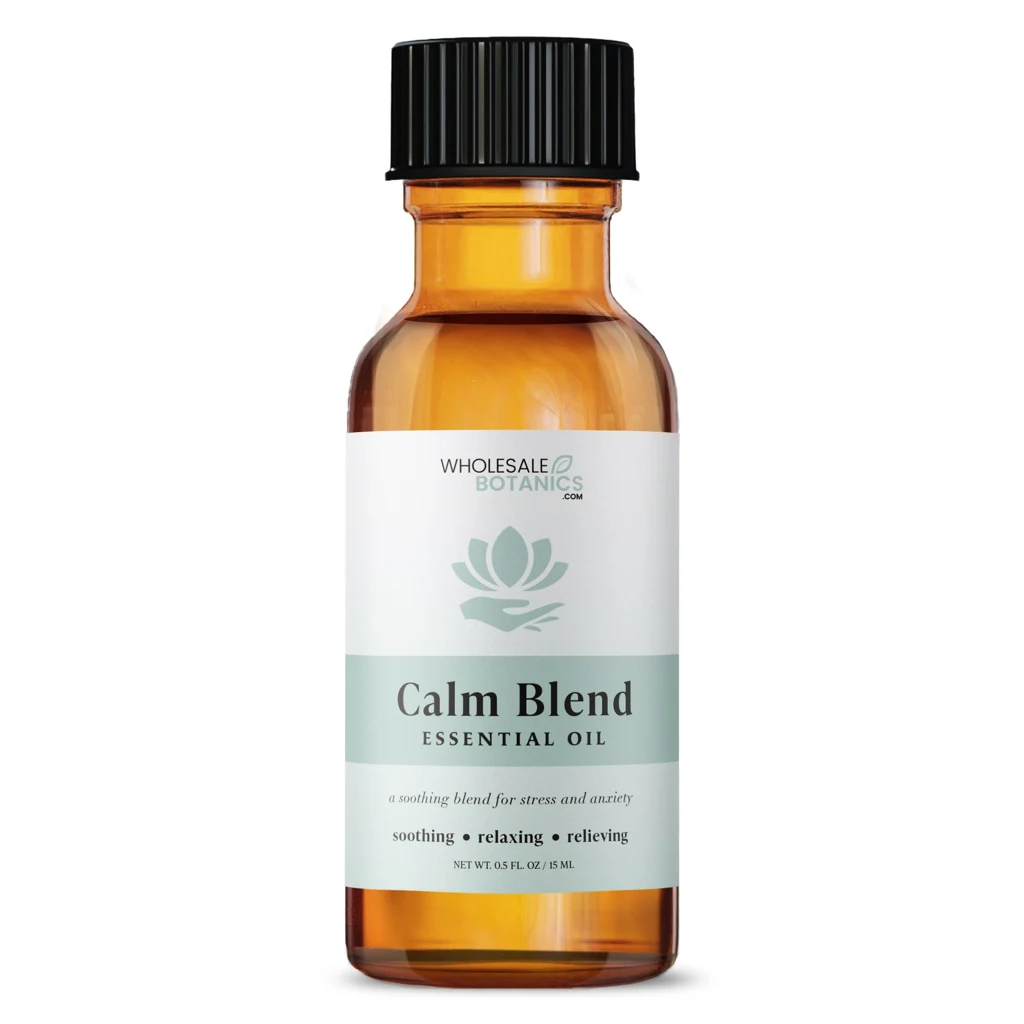
A fragrance oil is built. A chemist combines synthetic aroma molecules, sometimes alongside a few natural extracts, to land on a specific smell profile, whether that's "ocean breeze" or "calm." Nothing about that scent has to come from a lavender field. An essential oil blend, by contrast, has to start with real plant material: a named species, harvested, and processed with heat, steam, or pressure to pull out the aromatic compounds the plant already made. Our Calm Essential Oil Blend is three such extractions combined, not one scent engineered from scratch.
How a calming blend like this one actually gets made
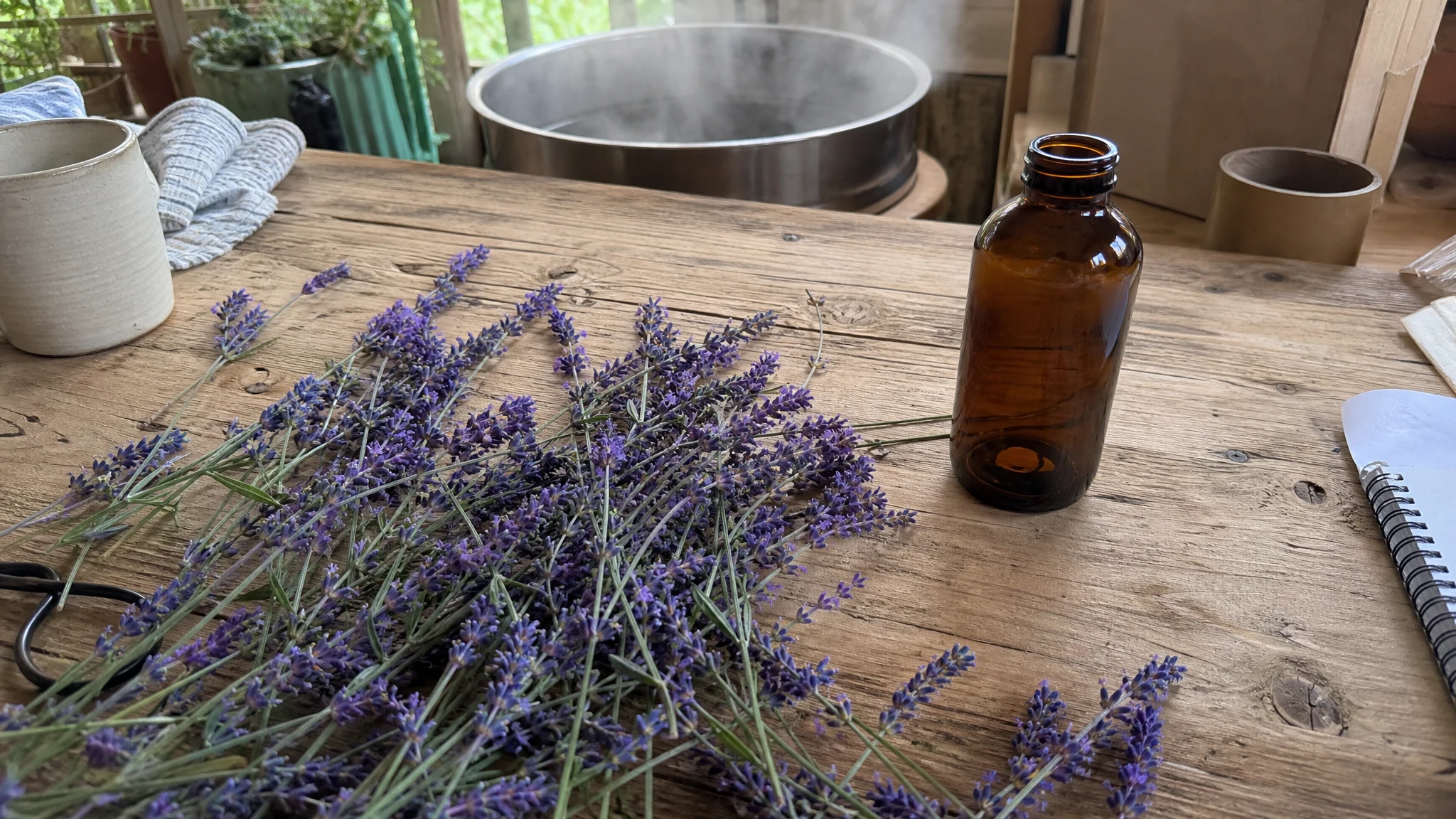
Lavender, chamomile, and bergamot each go through their own extraction before they ever meet. The purple flower spikes of Lavandula angustifolia and the small white-and-yellow blooms of Matricaria chamomilla are both steam-distilled, where hot steam pulls volatile compounds out of the plant and carries them off to be condensed back into oil. Bergamot is different: Citrus bergamia oil is cold-pressed straight from the fruit's peel, no heat involved, which matters for a safety point below. Only after each oil exists on its own do we combine them in set proportions. The result opens with bergamot's bright citrus snap, settles into lavender's soft floral middle, and finishes on chamomile's gentle, apple-like warmth, reading as rounded and herbaceous rather than sharp or sweet.
Why that changes what's actually in the bottle
Because essential oils come from agriculture, not a formula, they vary. The compositional ranges in international standards like ISO 3515, which governs lavender oil, aren't a single fixed number but a band, because growing season, harvest timing, and soil all shift the plant's chemistry slightly year to year. A fragrance oil doesn't have that problem; it's synthesized to spec, so it can smell functionally identical bottle after bottle indefinitely. That's a real advantage for fragrance oil in some uses. It's also exactly why it can't offer what a true botanical blend offers: an aroma that's a byproduct of real plant chemistry rather than a recipe for one.
What you're actually allowed to know
Under U.S. cosmetic labeling rules, "fragrance" ingredients are exempt from individual disclosure (21 CFR 701.3(a)), so a fragrance oil's exact composition is typically a trade secret you'll never see on a label. The International Fragrance Association maintains a transparency list of compounds its members may use, but that's an industry list, not a per-product ingredient panel (IFRA, ifrafragrance.org). An essential oil blend doesn't get that exemption in the same way, because its ingredients are named plant species with Latin binomials, like the three on this product. If a label lists only "fragrance" or "parfum" with no botanical names, you're looking at a fragrance oil no matter what marketing language sits above it.
Ready to try Calm Essential Oil Blend?
Sold in sizes from 0.5 oz to 16 oz, lab-tested and shipped fast.
Shop Calm Essential Oil BlendWhere each one actually earns its place
Fragrance oil tends to win in applications that demand heat stability and a totally uniform scent throw every single time, like certain candle and soap formulations run at commercial scale. An essential oil blend earns its place when what you want is a scent that's entirely plant-derived, with the natural complexity that comes from distilling and pressing real botanical material rather than assembling one in a lab. If what matters to you is that every aromatic molecule in the bottle traces back to a lavender field, a chamomile bloom, or a bergamot rind, a fragrance oil cannot deliver that, however convincingly it mimics the smell.
Two things worth being careful about with this specific blend
Chamomile belongs to the Asteraceae family, the same botanical family as ragweed. Contact dermatitis research has documented cross-reactivity in people with Compositae/Asteraceae sensitivities (Paulsen, Contact Dermatitis, 2002), so if you know you react to ragweed or related plants, check with an allergist before using a chamomile-containing blend on skin.
Cold-pressed bergamot oil also carries furocoumarins, including bergapten, which can make skin more reactive to UV light. The EU's Scientific Committee on Consumer Safety has specifically restricted furocoumarin levels in leave-on cosmetics because of this phototoxic effect (SCCS, 2012). Steam distillation removes most furocoumarins, but cold pressing doesn't, which is exactly how bergamot is processed here. If you're applying this blend diluted to skin, a dermatologist would generally advise avoiding direct sun exposure on that area afterward.
How people actually use a blend like this
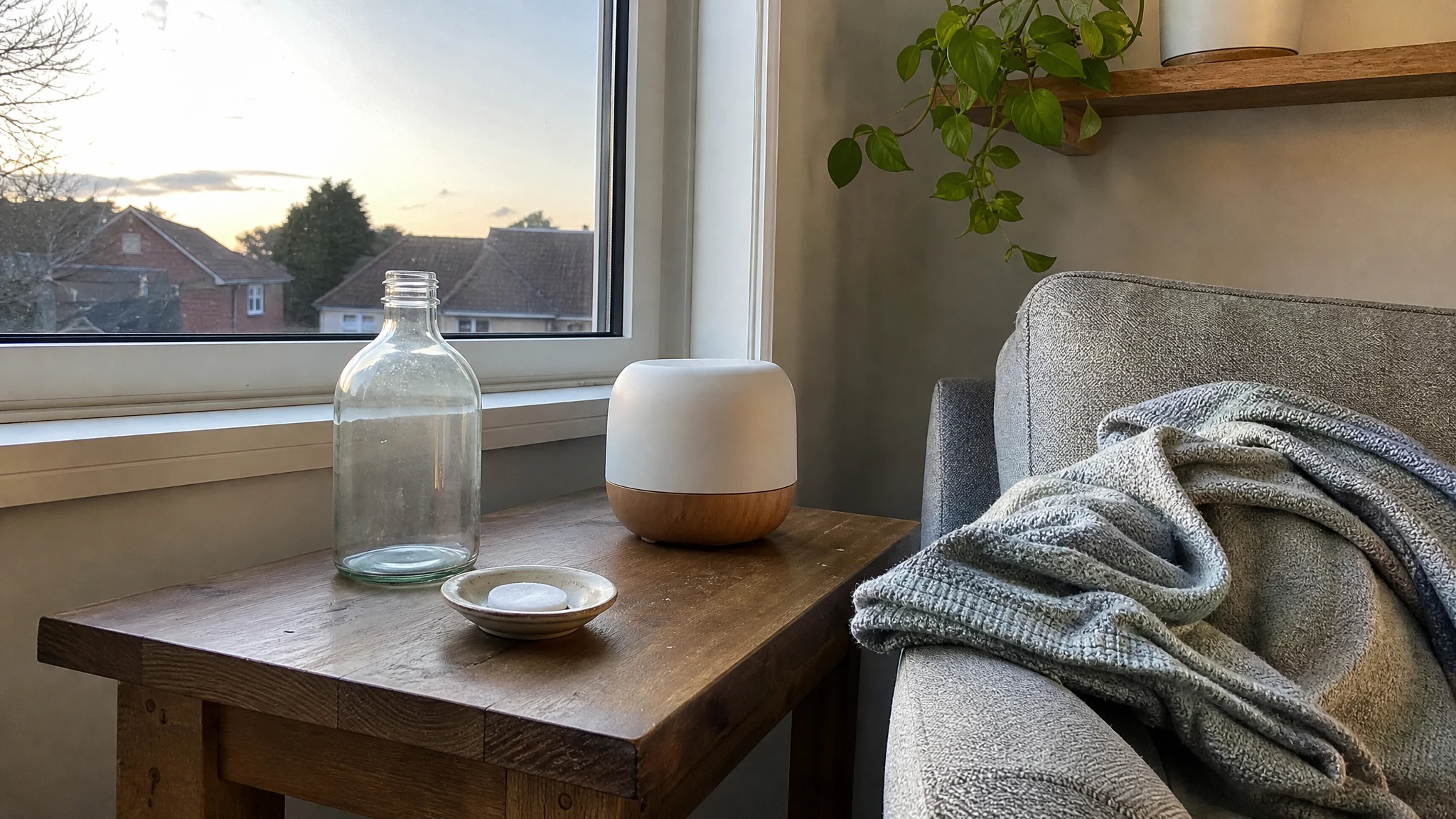
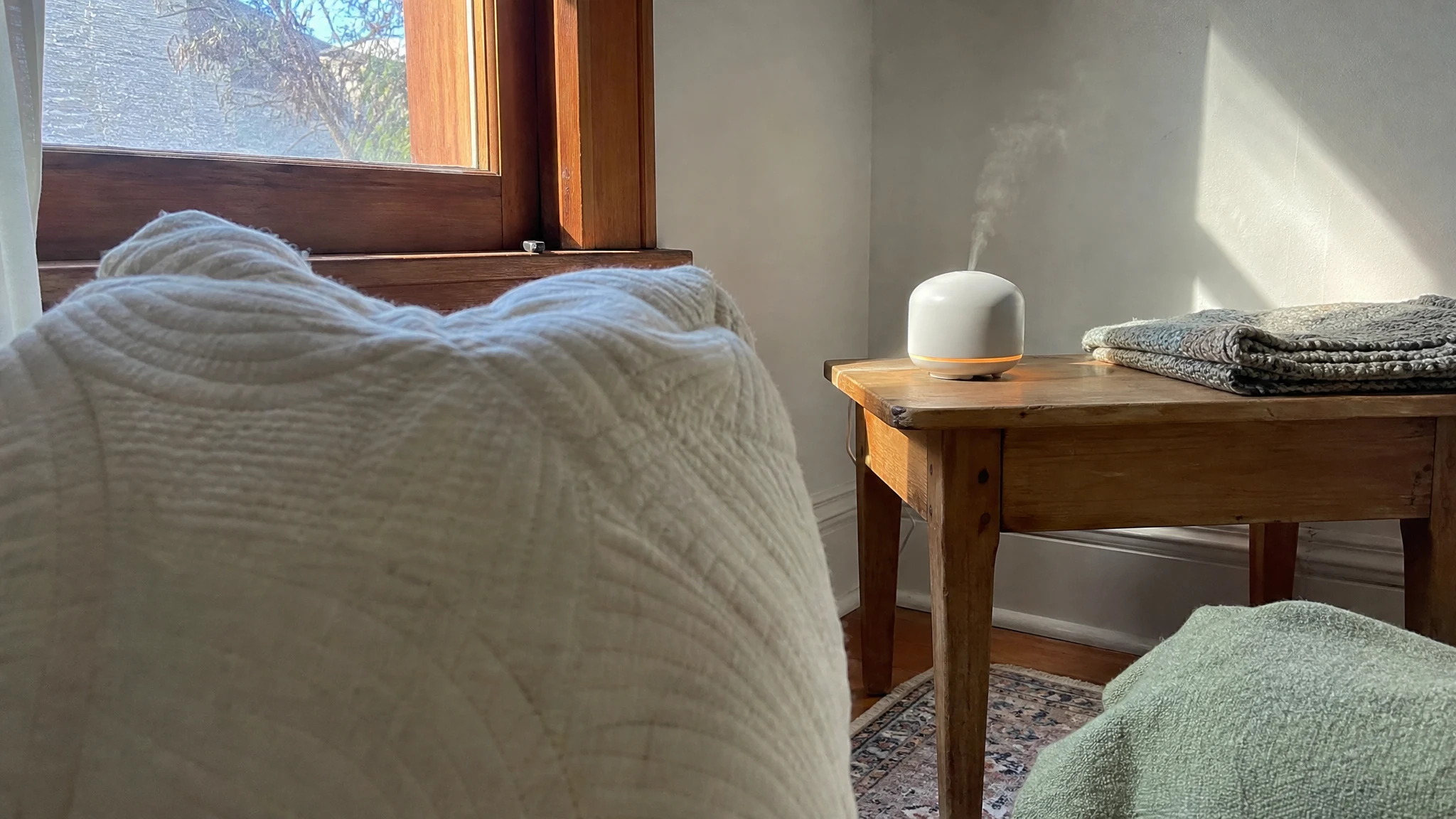
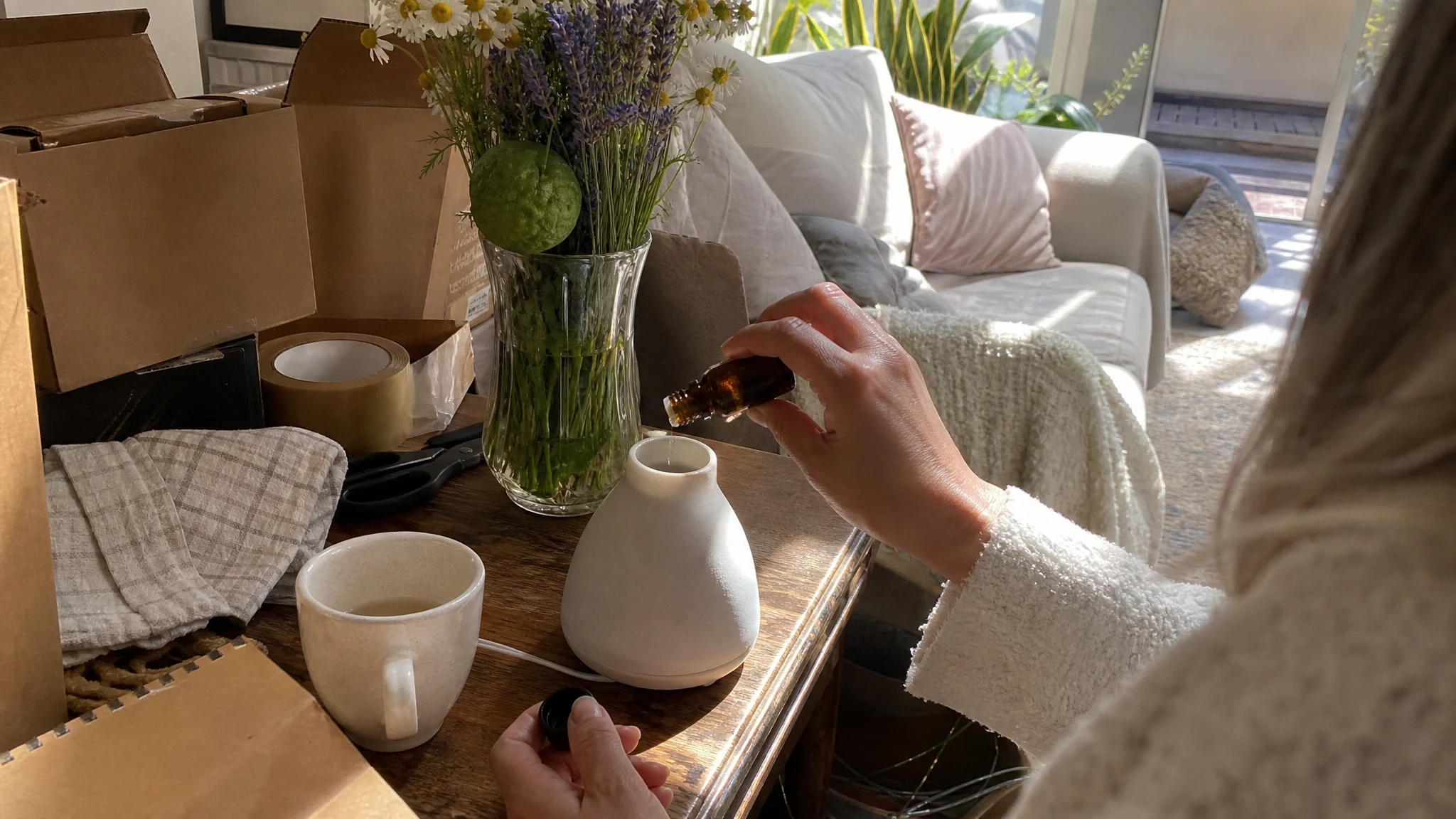
Most everyday use is scenting a room: a few drops near a diffuser handles a living room or office, and it pairs well with cedarwood, vanilla, or sandalwood if you like layering a diffuser blend. Beyond the diffuser, stirring a small amount into melted soap base or candle wax carries the aroma into a finished product, a scented cotton pad tucked into a dresser drawer or gym bag holds the scent for weeks, and a few drops in unscented lotion or in a spray bottle with witch hazel and water makes a simple room mist.
Who should look elsewhere
If you have a known Asteraceae or ragweed allergy, or you'll be applying this to skin that then sees direct sun, this isn't the right blend for that use without professional guidance first. If what you actually want is a perfectly identical scent experience from the first bottle to the hundredth, a fragrance oil will serve you better than any plant-derived blend ever will, batch variation included. And to be clear about what this product is: it's a blend of three distilled and pressed oils, not sold or labeled as a single-species or undiluted oil, and it's intended for scenting, not for treating any condition. It's a genuinely nice-smelling, honestly made aromatic blend, nothing more and nothing less.
Frequently Asked Questions
Why does cold-pressing bergamot matter for skin safety?
Cold pressing doesn't remove furocoumarins like bergapten, unlike steam distillation. The SCCS has restricted furocoumarin levels in leave-on cosmetics because they can make skin more reactive to UV light. Since this blend's bergamot is cold-pressed, a dermatologist would generally advise avoiding sun exposure on skin where it's applied diluted.
Can people with ragweed allergies use this blend?
They should check with an allergist first. Chamomile belongs to the Asteraceae family, the same family as ragweed, and contact dermatitis research has documented cross-reactivity in people with Compositae/Asteraceae sensitivities, per a 2002 Paulsen study cited in the article.
Why does essential oil scent vary between batches but fragrance oil doesn't?
Essential oils come from agriculture, not a fixed formula, so growing season, harvest timing, and soil shift plant chemistry slightly each year. Standards like ISO 3515 reflect this with a compositional range rather than one number. Fragrance oil is synthesized to spec, so it smells identical bottle after bottle.
How can I tell if a product is a fragrance oil or an essential oil blend from its label?
Check for botanical names. The article states that if a label lists only 'fragrance' or 'parfum' with no Latin plant names, it's a fragrance oil, regardless of marketing language, since essential oil blend ingredients must be named plant species.
What order of scent notes does the Calm Essential Oil Blend have?
It opens with bergamot's bright citrus snap, settles into lavender's soft floral middle, and finishes on chamomile's gentle, apple-like warmth. The article describes the overall effect as rounded and herbaceous rather than sharp or sweet.
What are common everyday ways to use this blend?
Most use is scenting a room via a diffuser, paired with cedarwood, vanilla, or sandalwood. The article also mentions stirring it into melted soap or candle wax, adding it to a cotton pad in a drawer or gym bag, or mixing it into unscented lotion or a witch hazel and water spray.