 DIY Recipes
Lavender, Chamomile and Bergamot in One Bottle: What Each Oil Brings to a Calming Blend
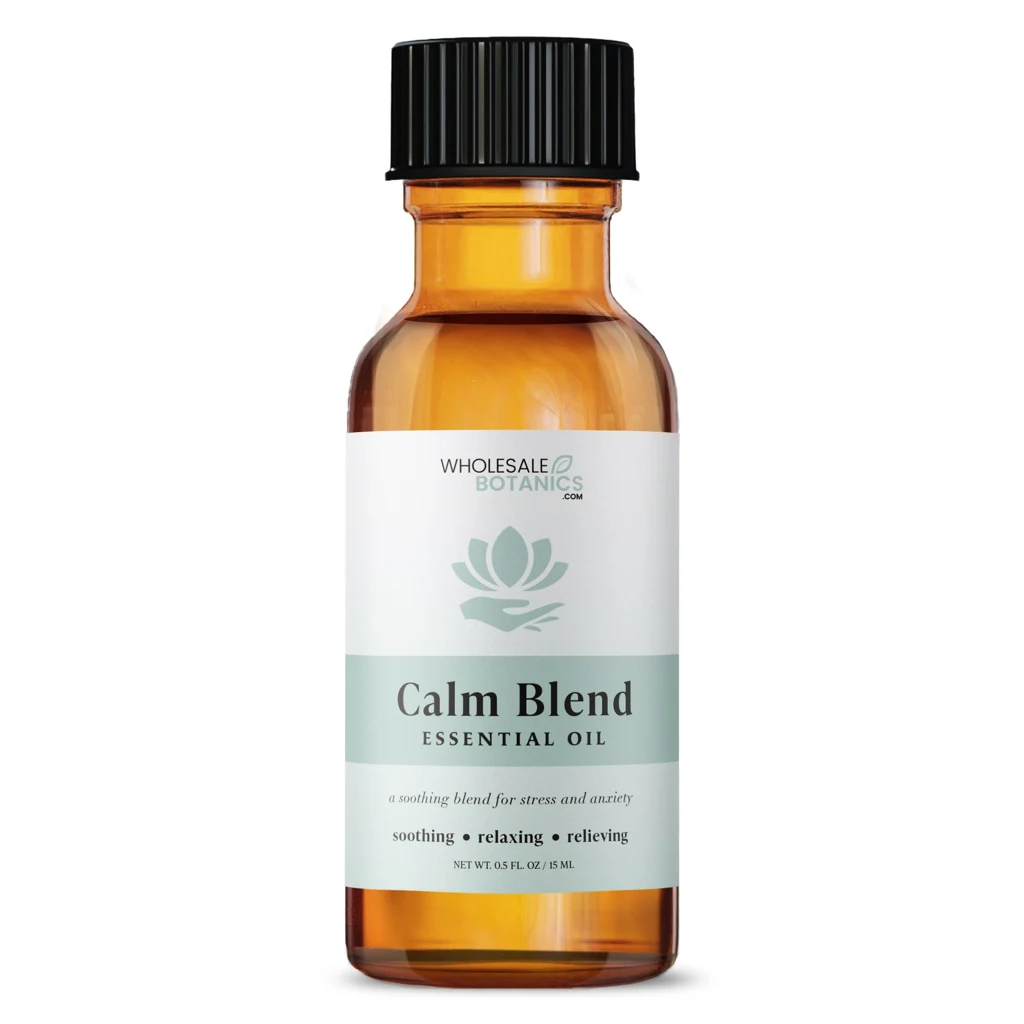
Crack open a bottle of our Calm blend and the first thing that reaches you isn't floral at all. It's bright, sharp citrus. Bergamot announces itself before lavender or chamomile get a word in, and that's not an accident of nose or nostalgia — it's a direct result of how the three oils in this blend are actually made. Two are steam-distilled. One is cold-pressed. That difference in process shapes how the scent unfolds over a few minutes, and it also shapes how carefully you should handle the bottle.
Table of Contents
Key Takeaways
- Bergamot's citrus scent hits first because it's cold-pressed, unlike the steam-distilled lavender and chamomile.
- Cold-pressed bergamot contains phototoxic furanocoumarins like bergapten that can burn skin in UV light.
- A 2001 case report documented bullous burns after bergamot oil was applied before sun exposure.
- Only German chamomile (Matricaria chamomilla), not Roman chamomile, is used in this blend.
- True lavender has more linalool and less camphor than lavandin, giving a softer floral note.
Two extraction methods, one bottle
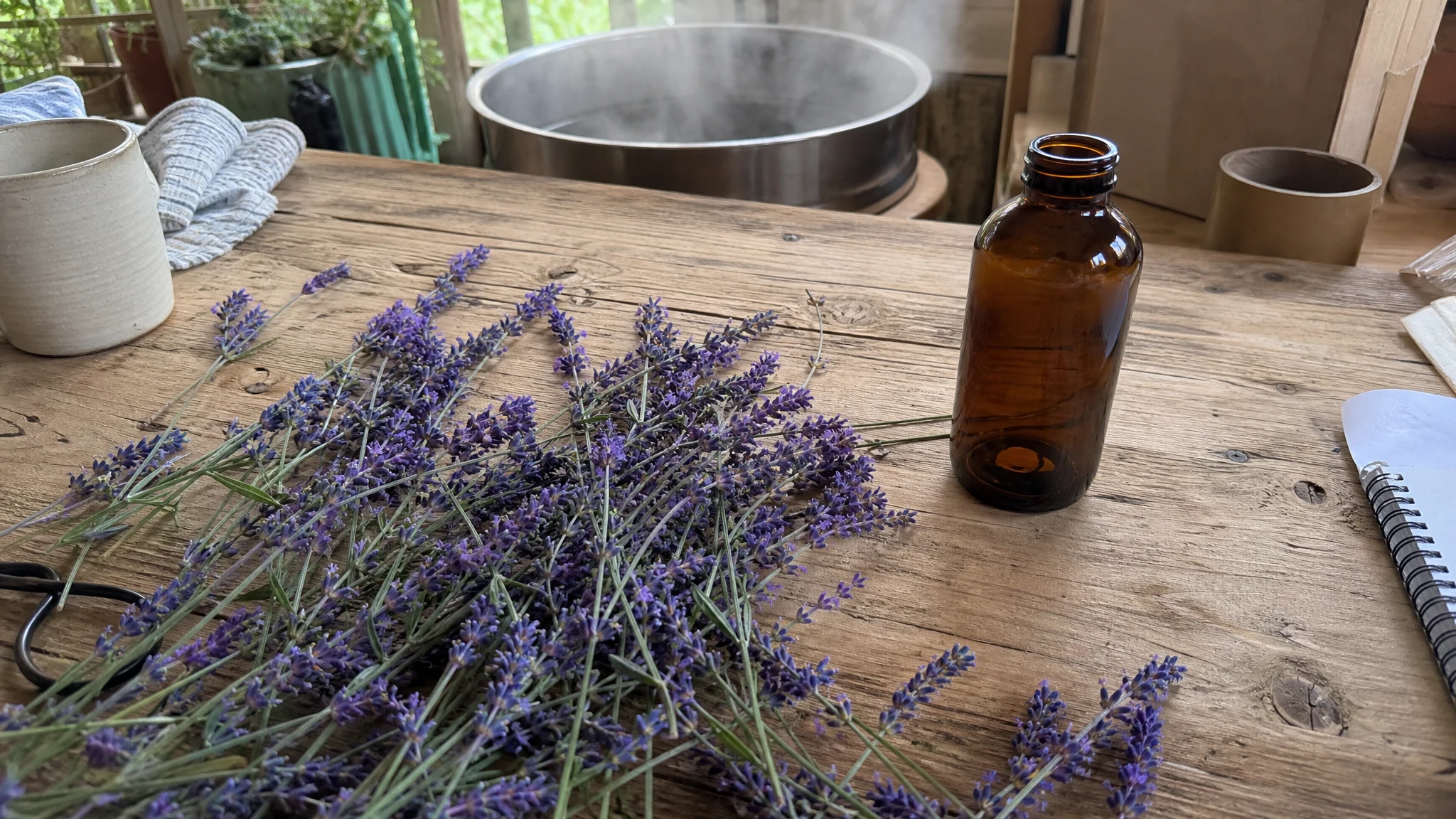
Lavender and chamomile in this blend both come from steam distillation. Lavandula angustifolia is distilled from its purple flower spikes, and Matricaria chamomilla from its small white-and-yellow blooms. Steam carries over the light, volatile aromatic molecules that give each plant its characteristic floral and herbaceous notes, while leaving heavier, non-volatile compounds behind in the plant material.
Bergamot doesn't go through that process. Citrus bergamia oil is cold-pressed straight from the fruit's rind, which means the oil carries over everything in that peel's outer layer — not just the volatile citrus terpenes that give bergamot its snap, but also heavier, non-volatile compounds that steam distillation would have left behind (Tisserand & Young, Essential Oil Safety, 2nd ed., 2014). That distinction is the reason this blend opens on citrus and settles into floral, and it's also the reason bergamot deserves a section of its own.
Bergamot's brightness comes with a caution label
Most write-ups on calming blends list bergamot as uplifting and stop there. That's an incomplete picture. Cold-pressed bergamot peel oil contains furanocoumarins, including bergapten, which are phototoxic — they react with UV light on skin that's been exposed to the oil, and can cause burns or pigment changes in sun or a tanning bed. This isn't theoretical: a 2001 case report in the Journal of the American Academy of Dermatology documented bullous burns after bergamot aromatherapy oil was applied to skin followed by sun exposure (Kaddu et al., 2001). The International Fragrance Association restricts how much bergapten-containing bergamot oil is permitted in leave-on cosmetic products for this exact reason.
This is where we'll disagree with a lot of generic blend advice: bergamot isn't interchangeable with lavender or chamomile just because all three get filed under "calming." If you're using this blend on skin, in a lotion or a spray, keep that skin out of direct sun for the rest of the day. In a diffuser, candle, or soap that doesn't stay on skin, the phototoxicity concern doesn't apply, because the oil isn't sitting on exposed skin that will see UV light. If you have a known photosensitivity or you're not sure, a dermatologist is the right person to ask before adding bergamot to a skincare routine.
Two chamomiles exist, and only one is in this bottle
Chamomile is also more specific than most labels let on. There are two plants that go by that name: Matricaria chamomilla (German chamomile, sometimes written M. recutita) and Chamaemelum nobile (Roman chamomile). They're different species with different chemistry. German chamomile is the one in this blend, and it's distilled from small white-and-yellow blooms. One notable thing about its steam-distilled oil is chamazulene, a compound formed from matricin during the distillation process itself, which gives German chamomile oil its characteristic blue-to-dark coloring and contributes to its warm, almost apple-like aroma (Srivastava, Shankar & Gupta, 2010). If a product just says "chamomile" without the species, you don't actually know which plant — and which chemistry — you're getting.
Ready to try Calm Essential Oil Blend?
Sold in sizes from 0.5 oz to 16 oz, lab-tested and shipped fast.
Shop Calm Essential Oil BlendLavender holds the middle
Lavandula angustifolia is often called "true lavender" to distinguish it from lavandin (Lavandula x intermedia), a hybrid grown for higher yield. True lavender's oil runs higher in linalool and linalyl acetate and lower in camphor than lavandin's, which is part of why its floral note reads as round and soft rather than sharp or medicinal (Cavanagh & Wilkinson, 2002). In this blend, that's the note that bridges bergamot's citrus opening and chamomile's warm finish — the part that keeps the whole thing from smelling like two unrelated ideas stapled together.
Where this blend actually earns its keep
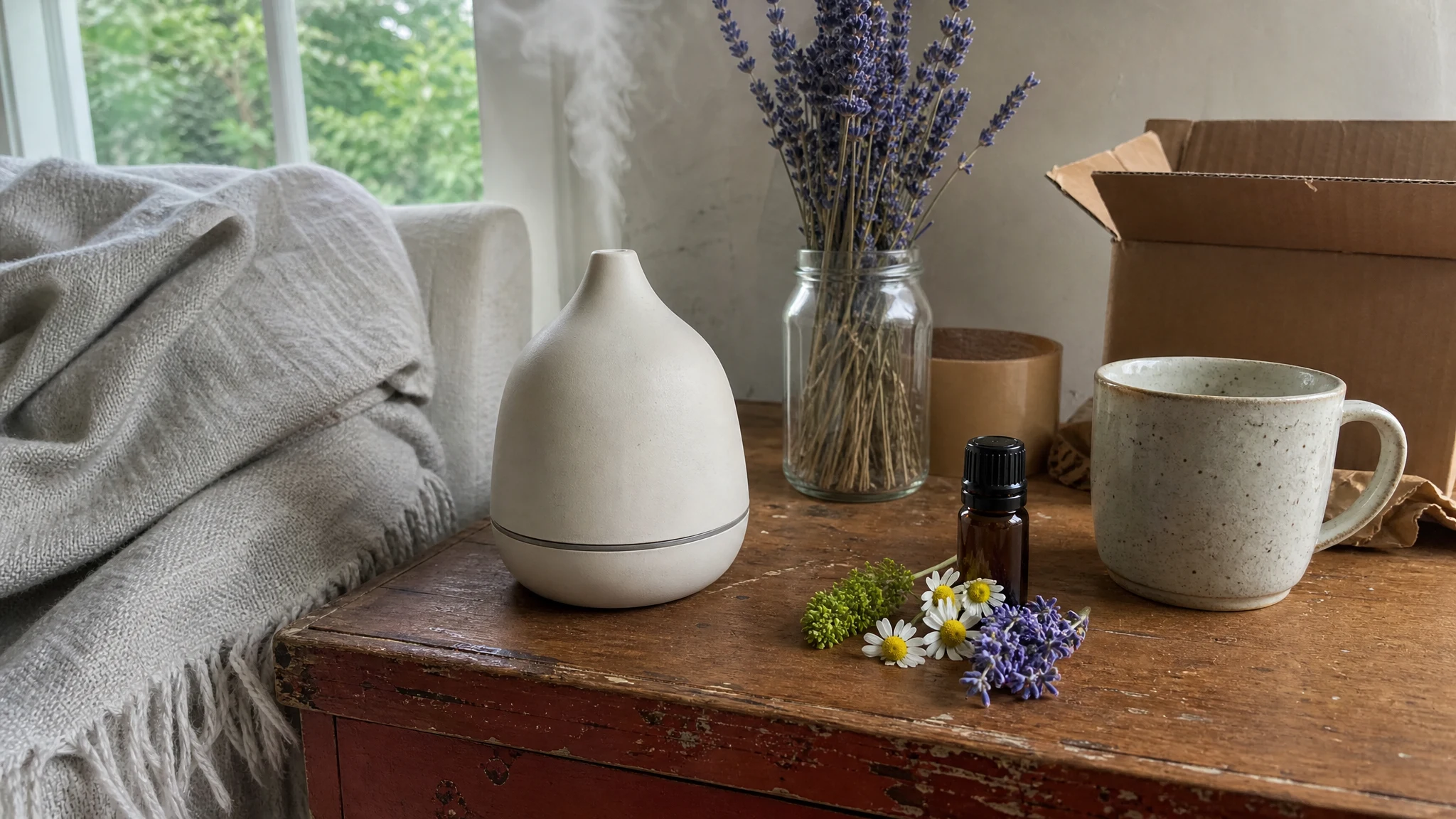
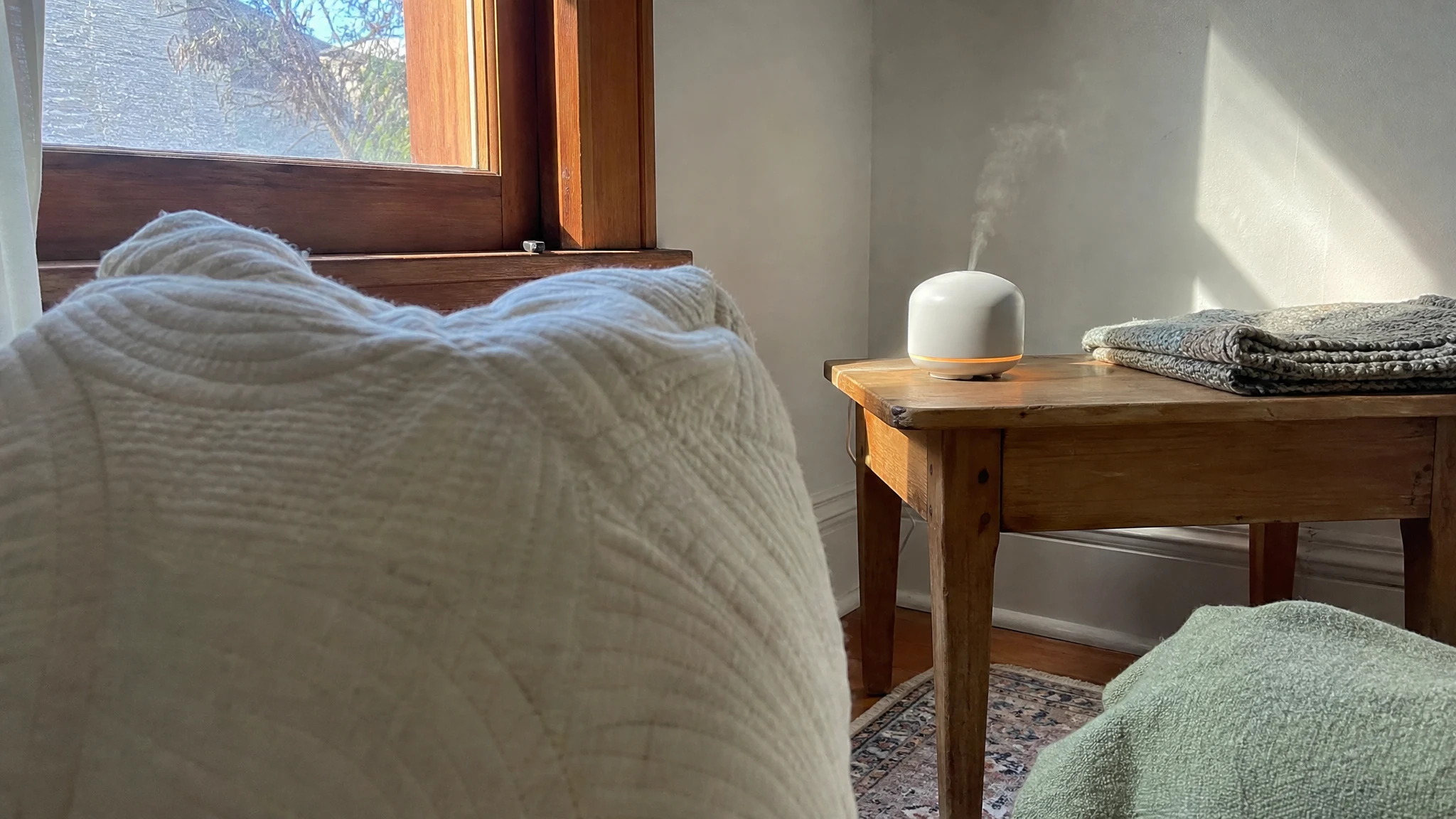
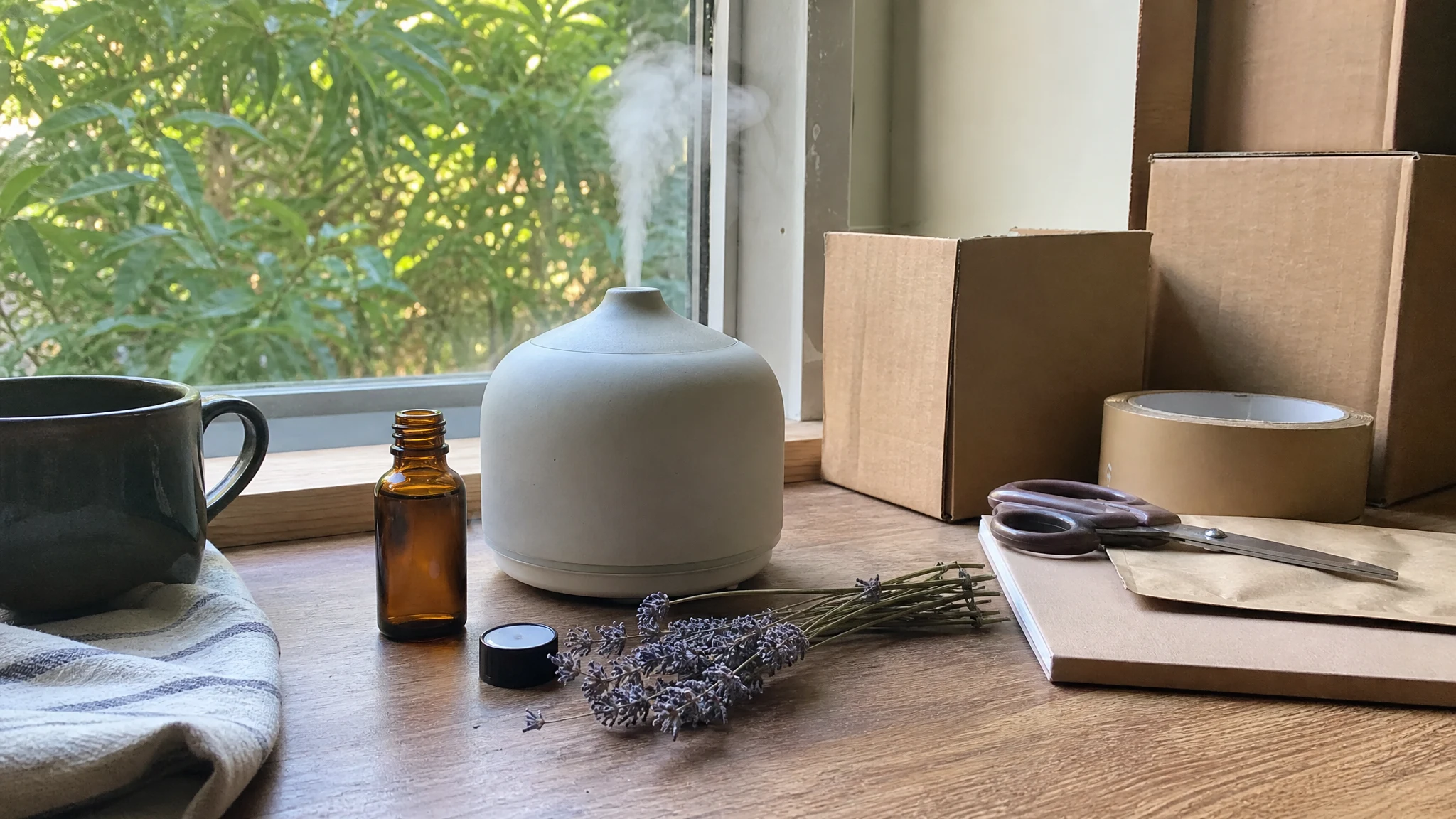
A diffuser running in a living room or office is the most straightforward way to use it day to day, and the floral-citrus-herbaceous combination pairs well with cedarwood, vanilla, or sandalwood if you want to round it out further. Beyond the diffuser, stirring a small amount into melted soap base or a batch of candle wax carries the scent into a finished product you can use or gift. A cotton pad with a few drops tucked into a dresser drawer or gym bag will keep releasing fragrance for weeks. And for a simple room spray, a few drops mixed into a bottle of water and witch hazel, or blended into an unscented lotion, gets you a lighter version of the same scent profile. If you'd rather not source and balance three separate oils yourself, that's exactly what this blend on our product page is for — the proportions are already worked out.
Who should think twice
If you're going to be in the sun or a tanning bed, skip applying this blend to skin that will be exposed, for the bergamot reasons above. If you or anyone in the household has a known sensitivity to plants in the daisy family (Asteraceae), which includes chamomile and ragweed, patch test before wider use and talk to an allergist or dermatologist if you're uncertain. If you're pregnant, nursing, or diffusing around infants or pets, a physician or veterinarian familiar with your situation is the right person to weigh in on continuous diffusing, since sensitivity to airborne aromatics varies by individual and by species. And to be clear about scope: this is a fragrance and cosmetic blend, formulated for scenting rooms, lotions, soap, and wax — it isn't intended to manage any health condition, and nothing about mixing these three oils changes that.
Frequently Asked Questions
Is it safe to put this blend on my skin before going outside?
Not without caution. Because bergamot is cold-pressed and contains phototoxic furanocoumarins like bergapten, the article advises keeping any skin where the blend was applied out of direct sun or a tanning bed for the rest of the day. In a diffuser, candle, or soap that stays off skin, this concern doesn't apply.
What's the difference between the chamomile in this blend and other chamomile oils?
This blend uses German chamomile (Matricaria chamomilla), not Roman chamomile (Chamaemelum nobile). German chamomile is steam-distilled from small white-and-yellow blooms and contains chamazulene, formed during distillation, which gives the oil its blue-to-dark color and warm, apple-like aroma. Products labeled simply "chamomile" may not specify which species they contain.
Why does this blend use 'true lavender' instead of regular lavender?
True lavender refers to Lavandula angustifolia, as opposed to lavandin, a higher-yield hybrid. True lavender's oil runs higher in linalool and linalyl acetate and lower in camphor, giving it a rounder, softer floral note rather than lavandin's sharper, more medicinal one. It's the note that bridges bergamot's citrus and chamomile's warmth in this blend.
Who should avoid using this blend?
The article flags several groups: anyone with a known sensitivity to Asteraceae (daisy family) plants like ragweed should patch test first; those going into the sun or a tanning bed should skip skin application; and pregnant or nursing people, or anyone diffusing around infants or pets, should check with a physician or veterinarian first.
How can I use this blend besides a diffuser?
Beyond diffusing, the article suggests stirring a small amount into melted soap base or candle wax, placing a scented cotton pad in a dresser drawer or gym bag, or mixing a few drops into water and witch hazel or unscented lotion for a simple room or body spray.