 Safety & Dilution
How to Use Calm Essential Oil Blend Safely: A Dilution and Application Guide
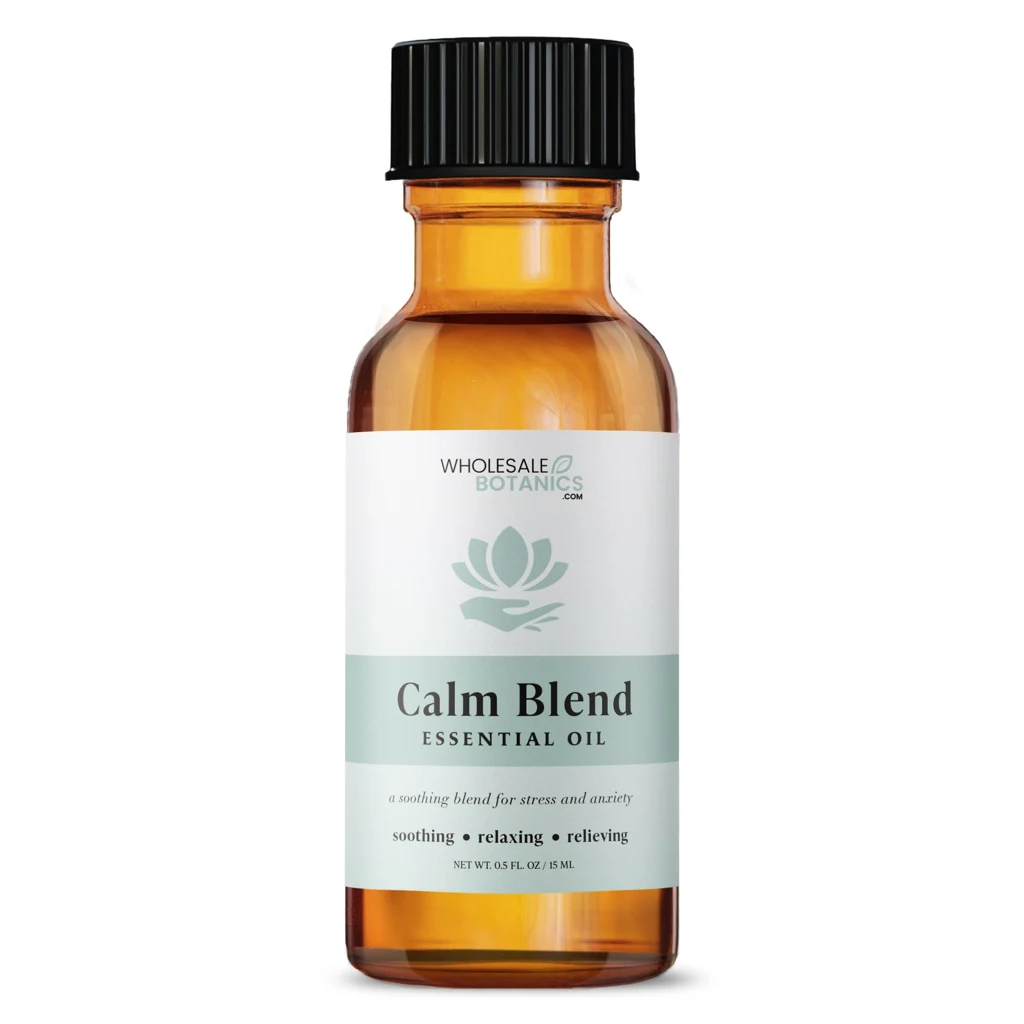
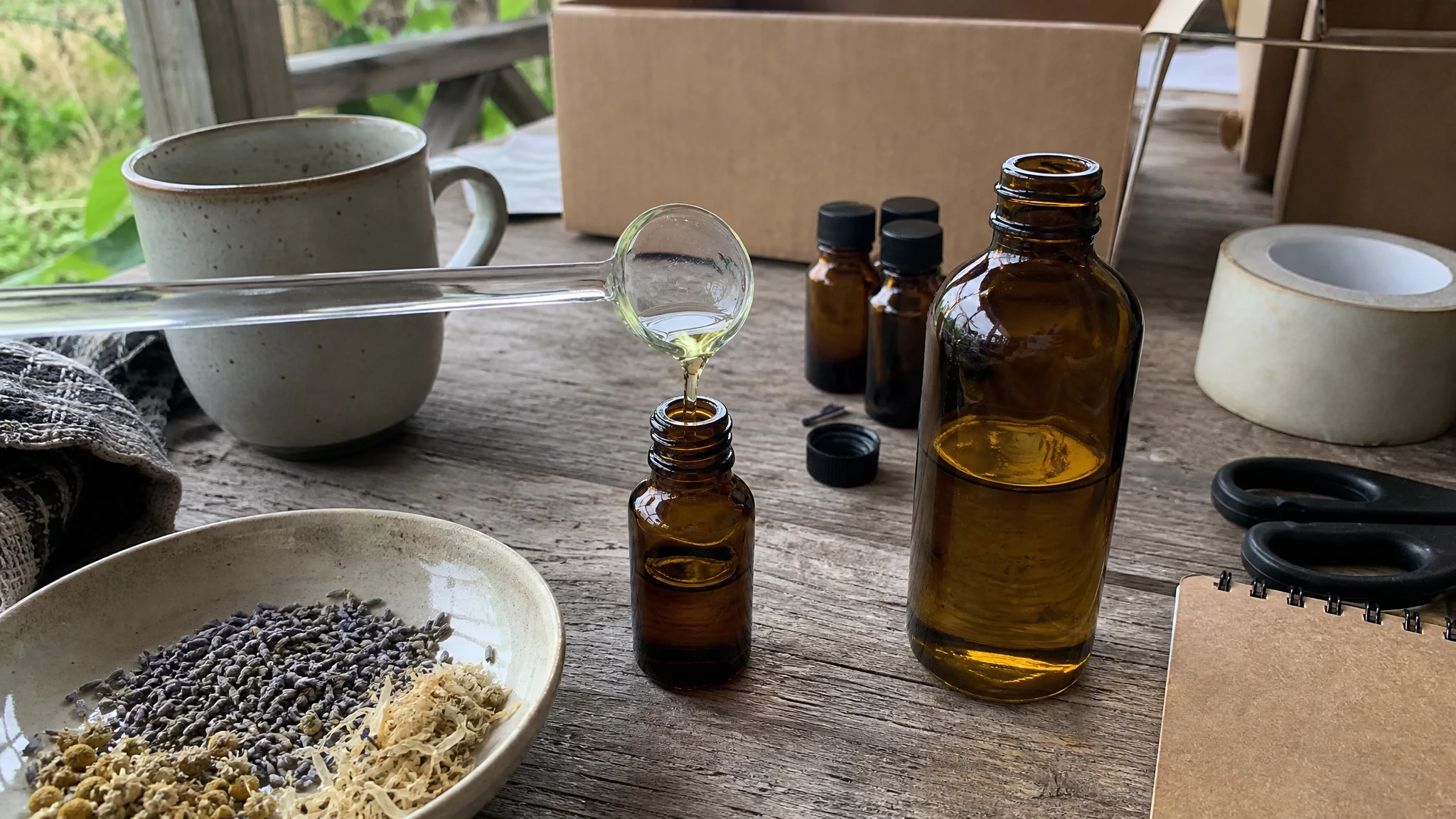
A bottle of essential oil is highly concentrated, so a little goes a long way. The Calm Essential Oil Blend combines steam-distilled lavender (Lavandula angustifolia), cold-pressed bergamot peel oil (Citrus bergamia), and steam-distilled chamomile (Matricaria chamomilla) in small batches. The aroma is floral, citrusy, and herbaceous. This guide walks you through measuring, diluting, and applying it with care, so you can enjoy the scent in your daily rituals.
Table of Contents
Key Takeaways
- Most people should stay at or below a 2% dilution, which is 12 drops per ounce of carrier.
- A patch test at 1% dilution on the inner forearm requires waiting the full 24 hours before use.
- Bergamot's cold-pressed citrus oil can increase skin sensitivity to sunlight, so avoid sun exposure after applying.
- Mixed lotions and mists lack preservatives, so they should be used within a few weeks.
- Diffuser use calls for 3 to 5 drops run for 30 to 60 minutes in a ventilated room.
What You Will Need
- Your bottle of Calm Essential Oil Blend
- A carrier such as unscented body lotion, or a plain carrier oil like jojoba or sweet almond
- A clean glass bowl or small dark glass bottle
- A diffuser, if you prefer room scenting
- A spray bottle, distilled water, and witch hazel for a room mist
- Cotton pads for drawers or gym bags
- A small label and marker
Step 1: Read the Safety Basics First
Essential oils are meant for aroma use and for blending into finished goods. Keep the bottle tightly closed, away from heat, and out of reach of children and pets. Do not swallow it. Keep it away from your eyes and inner ears.
Talk with a qualified healthcare provider before using any essential oil if you are pregnant, nursing, taking medications, or have very sensitive skin. This guide is educational and never a substitute for professional advice.
Step 2: Choose Your Method and Dilution
Skin contact always calls for dilution. Mixing the blend into a carrier spreads it out, which helps lower the chance of discomfort. A lower ratio is a sensible starting point, especially for first-time use.
| Dilution | Per 1 oz (30 mL) carrier | Good for |
|---|---|---|
| 0.5% | 3 drops | First-time use, sensitive skin, face-area products |
| 1% | 6 drops | Everyday body lotion |
| 2% | 12 drops | Occasional use on small areas |
Most people do well staying at or below 2%. More drops do not mean a better experience. A stronger mix mostly raises the odds of an unwelcome skin reaction.
Step 3: Do a Patch Test
- Mix one small batch at 1% (about 1 drop of the blend in 1 teaspoon of carrier).
- Dab a coin-sized amount on your inner forearm.
- Cover it loosely and wait 24 hours.
- If you notice redness, itching, or any discomfort, wash the area with mild soap and water and do not use the blend on skin.
Skipping this step is the most common mistake. Even gentle botanicals can bother some people.
Step 4: Blend Your Chosen Product
Scented body lotion
Add your measured drops to a clean bowl of unscented lotion. Stir for a full minute so the oil spreads evenly, then spoon it into a clean jar. Label it with the date and dilution. Use a small amount on your arms or shoulders as part of an evening ritual.
Room mist
Fill a spray bottle with distilled water and a splash of witch hazel. Add 10 to 15 drops of the blend, shake well, and spritz into the air, away from your face. Shake before every use, since oil and water separate. Test on a hidden spot before misting fabric or wood.
Diffuser
Add 3 to 5 drops to a diffuser filled with water, following your device's instructions. Run it for 30 to 60 minutes in a ventilated room. The scent opens with bright bergamot, settles into soft lavender, and finishes with the gentle, apple-like warmth of chamomile. For a different mood, try pairing it with cedarwood, vanilla, or sandalwood.
Candles, soap, and keepsakes
Stirring a small amount into melted soap base or candle wax carries the fragrance into finished goods. Follow the supplier's guidance for your wax or base. A scented cotton pad tucked in a dresser drawer or gym bag lets the fragrance linger there for weeks.
Ready to try Calm Essential Oil Blend?
Sold in sizes from 0.5 oz to 16 oz, lab-tested and shipped fast.
Shop Calm Essential Oil BlendStep 5: Apply Mindfully
Use only a small amount of diluted product at a time. Avoid broken skin and sensitive areas. Wash your hands after handling the blend, and keep scented products away from flames unless they were made for that purpose.
Cold-pressed citrus peel oils such as bergamot can make skin more sensitive to sunlight for some people. As a precaution, avoid applying skin products containing this blend to areas that will be exposed to strong sun or tanning beds, and ask your healthcare provider if you are unsure.
Step 6: Store It Well
Keep the bottle capped, upright, and in a cool, dark place. Light and heat can dull the aroma over time. Mixed lotions and mists are best used within a few weeks, since homemade products have no commercial preservatives.
Tips for a Better Experience
- Start low. You can always add another drop next time.
- Measure with a dropper rather than guessing.
- Label every blend with its dilution and date.
- Use a clean utensil each time to keep your carrier fresh.
- Give your diffuser a rest between sessions instead of running it all day.
Common Mistakes to Avoid
- Applying the oil straight from the bottle. Always blend it into a carrier first.
- Skipping the patch test. Wait the full 24 hours.
- Overdoing the drops. Stronger is not better.
- Using water alone in a spray. Oil does not mix with water, so shake well and add witch hazel.
- Leaving it within reach of children or pets. Store it up high and closed.
What to Expect
Many people report that the blend's familiar floral, citrus, and herbaceous scent makes a room feel more welcoming. Some find that a quiet evening routine with a diffuser or lightly scented lotion may help promote a sense of calm. Experiences vary from person to person, and the aroma is best seen as one small, pleasant part of your day. Some research suggests that scent can shape how we experience our surroundings, though individual responses differ.
If you notice any discomfort, stop using the blend and consult a qualified healthcare provider.
Bringing It Into Your Routine
With careful measuring, a patch test, and a light hand, the blend can fit easily into your home. Ready to try it? Browse the Calm Essential Oil Blend in our shop, or visit our home page to explore more.
Frequently Asked Questions
What's the right dilution ratio for first-time use?
Start at 0.5%, about 3 drops per ounce of carrier. This is the lowest ratio in the guide and is recommended for first-time use, sensitive skin, or face-area products. The guide notes that more drops don't improve the experience and mainly raise the chance of skin discomfort, so starting low and adjusting slowly is the safer approach.
Why is a patch test necessary before using the blend on skin?
A patch test checks for redness, itching, or discomfort before wider use. The guide calls skipping this step the most common mistake, since even gentle botanicals can bother some people. It recommends mixing a 1% batch, dabbing it on the inner forearm, covering loosely, and waiting the full 24 hours before deciding.
Can I apply the Calm Essential Oil Blend before going out in the sun?
It's best to avoid sun or tanning bed exposure on treated skin. The article explains that cold-pressed citrus peel oils like bergamot can make skin more sensitive to sunlight for some people, so skin products containing the blend should be kept off areas that will face strong sun, and a healthcare provider should be consulted if unsure.
How should I store the blend and any mixed products I make?
Keep the bottle capped, upright, and in a cool, dark place, since light and heat dull the aroma over time. Homemade mixed lotions or mists contain no commercial preservatives, so the article advises using them within a few weeks rather than storing them indefinitely.
What's the most common mistake people make with this blend?
The article lists skipping the patch test as the most common mistake, along with applying the oil straight from the bottle instead of diluting it first. Other frequent errors include overdoing the drop count, using water alone in a spray without witch hazel, and leaving the bottle within reach of children or pets.
Is the Calm Essential Oil Blend safe to use while pregnant or on medication?
The article says to talk with a qualified healthcare provider first in these cases. It specifically advises consulting a provider before use if pregnant, nursing, taking medications, or having very sensitive skin, and states the guide is educational only and never a substitute for professional advice.