 Safety & Dilution
Storing Essential Oils at Home: Practical Habits for Bottles, Cotton Pads and Room Mist Sprays
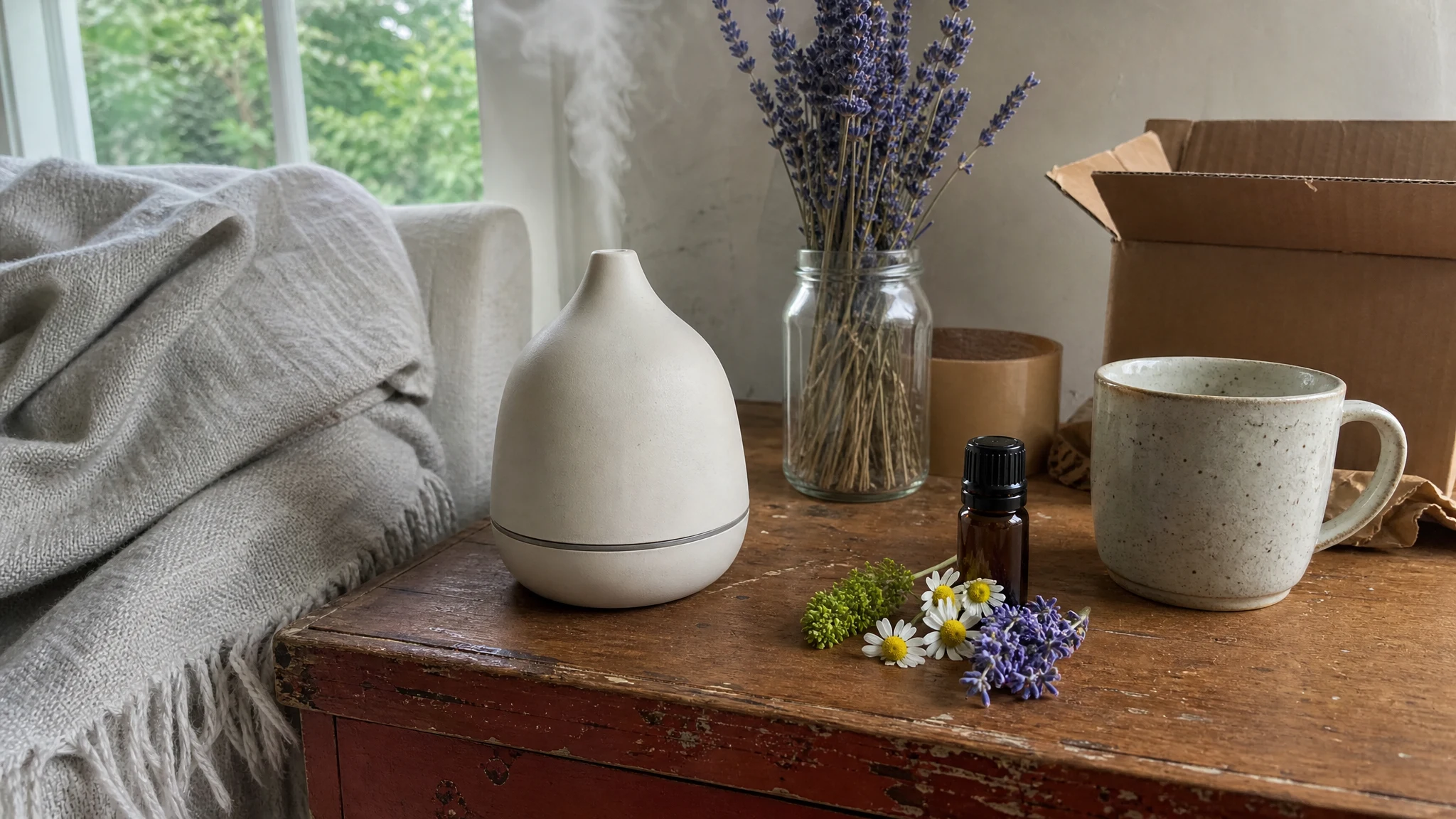
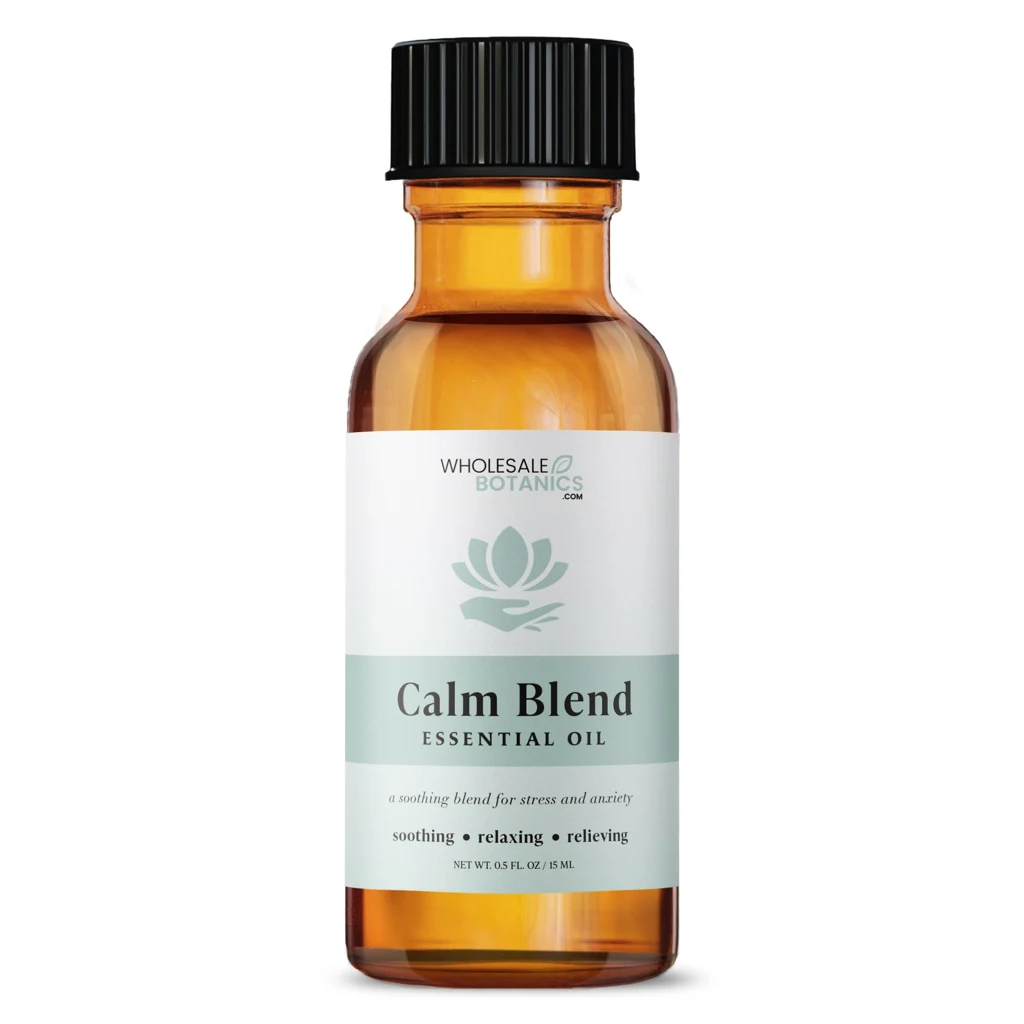
Open a drawer of essential oils that have been sitting for a year and you'll usually find one bottle that smells different from how you remember it — sharper, almost solvent-like, or just flatter. That shift isn't your imagination, and it isn't really about the oil "going bad" the way milk goes bad. It's a chemical change that matters more for citrus oils than almost anything else in a typical collection, which is worth knowing if you keep a blend like our Calm Essential Oil Blend, built on steam-distilled lavender (Lavandula angustifolia) and chamomile (Matricaria chamomilla) alongside cold-pressed bergamot peel oil (Citrus bergamia).
Table of Contents
Key Takeaways
- Oxidized linalool and limonene are more likely to trigger skin sensitization than fresh molecules.
- Heat and light speed up oxidation, so sunny or warm storage spots are worse.
- Bathroom cabinets are a common but poor storage choice due to humidity and temperature swings.
- Bergamot's furocoumarins can make skin more reactive to UV light after contact.
- The citrus top note in this blend degrades faster than lavender and chamomile.
What's actually happening inside the bottle
Essential oils are mostly terpenes, and terpenes react with oxygen the moment air reaches them. Linalool, one of the main components of lavender oil, and limonene, abundant in bergamot, both oxidize on contact with air into compounds that didn't exist in the fresh oil. The research on this is specific and a little surprising: oxidized linalool and oxidized limonene are more likely to trigger skin sensitization than the original, unoxidized molecules (Sköld et al., Chemical Research in Toxicology, 2004; Christensson et al., Contact Dermatitis, 2012). An oil that's been left open and exposed to air for months hasn't just lost some of its scent — its chemistry has changed, and not in a direction that makes it friendlier to skin.
Heat and light speed that reaction up. A bottle sitting on a sunny windowsill or a warm bathroom shelf is oxidizing faster than one in a cool, dark cupboard, even if both were opened on the same day.
Deciding where and how to keep the bottle
A few decisions make more difference than people expect:
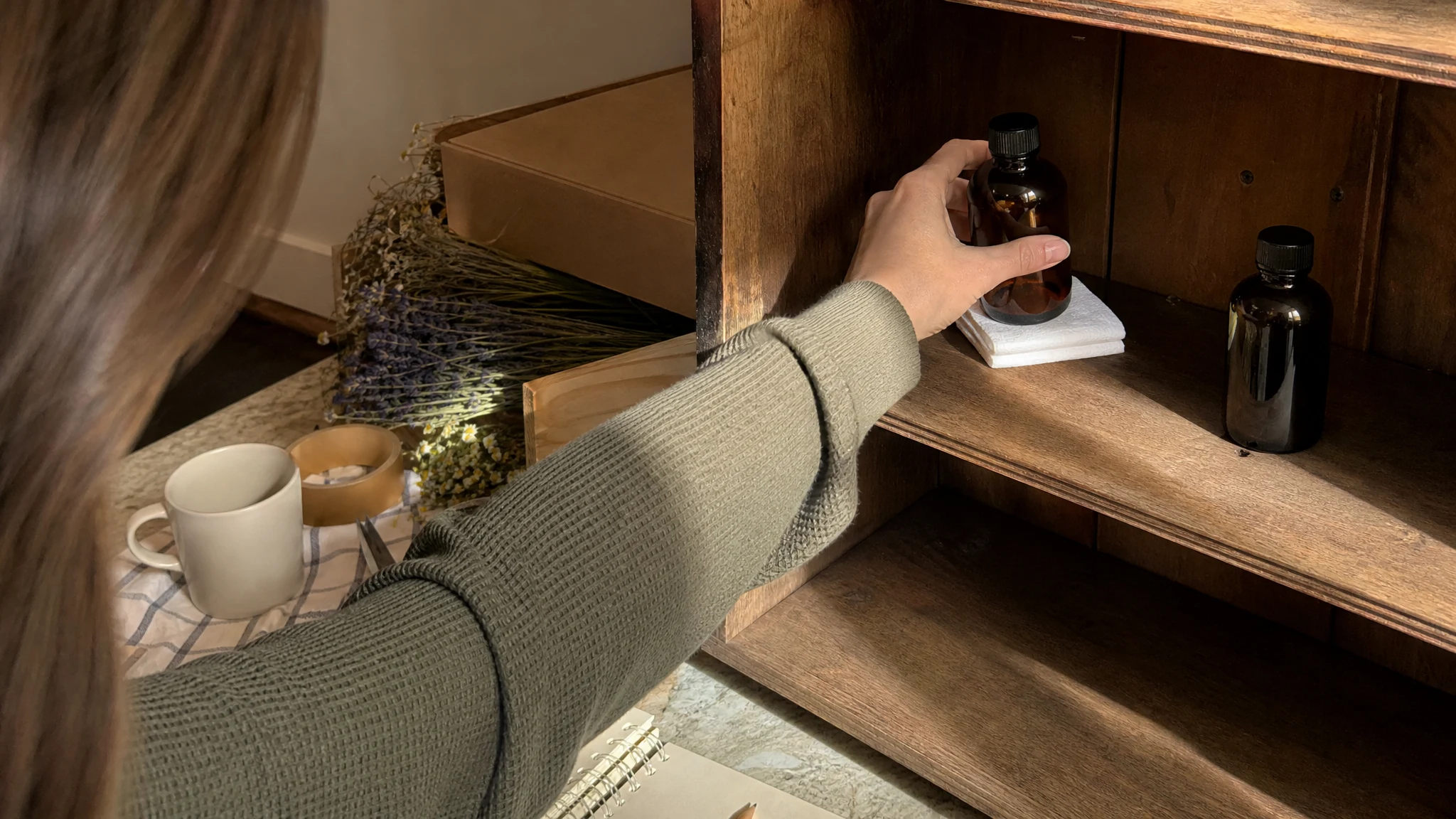
- Glass over plastic. Citrus oils like bergamot are natural solvents — d-limonene is strong enough that aromatherapy safety groups such as NAHA (the National Association for Holistic Aromatherapy) recommend against long-term plastic storage, since the oil can slowly break down softer plastics and pick up compounds from the container. Dark glass, amber or cobalt, also blocks the UV light that accelerates oxidation.
- Cap it immediately, every time. The main driver of oxidation is contact with air, not time alone. A bottle left uncapped on a counter for an evening does more damage than the same bottle capped and shelved for a month.
- Skip the bathroom cabinet. It's the most common place people store oils, and it's one of the worst spots: shower steam swings the humidity and temperature repeatedly, which stresses the cap seal and the oil itself. A linen closet, bedroom drawer, or kitchen cupboard away from the stove works better.
- Buy what you'll use. A bottle used twice a week for a cotton pad or mist spray will empty before oxidation becomes meaningful. A bottle bought in bulk and opened occasionally for two years is the one that changes character.
Ready to try Calm Essential Oil Blend?
Sold in sizes from 0.5 oz to 16 oz, lab-tested and shipped fast.
Shop Calm Essential Oil BlendHabits for the three ways people actually use this blend
Storage habits should match how the oil leaves the bottle.
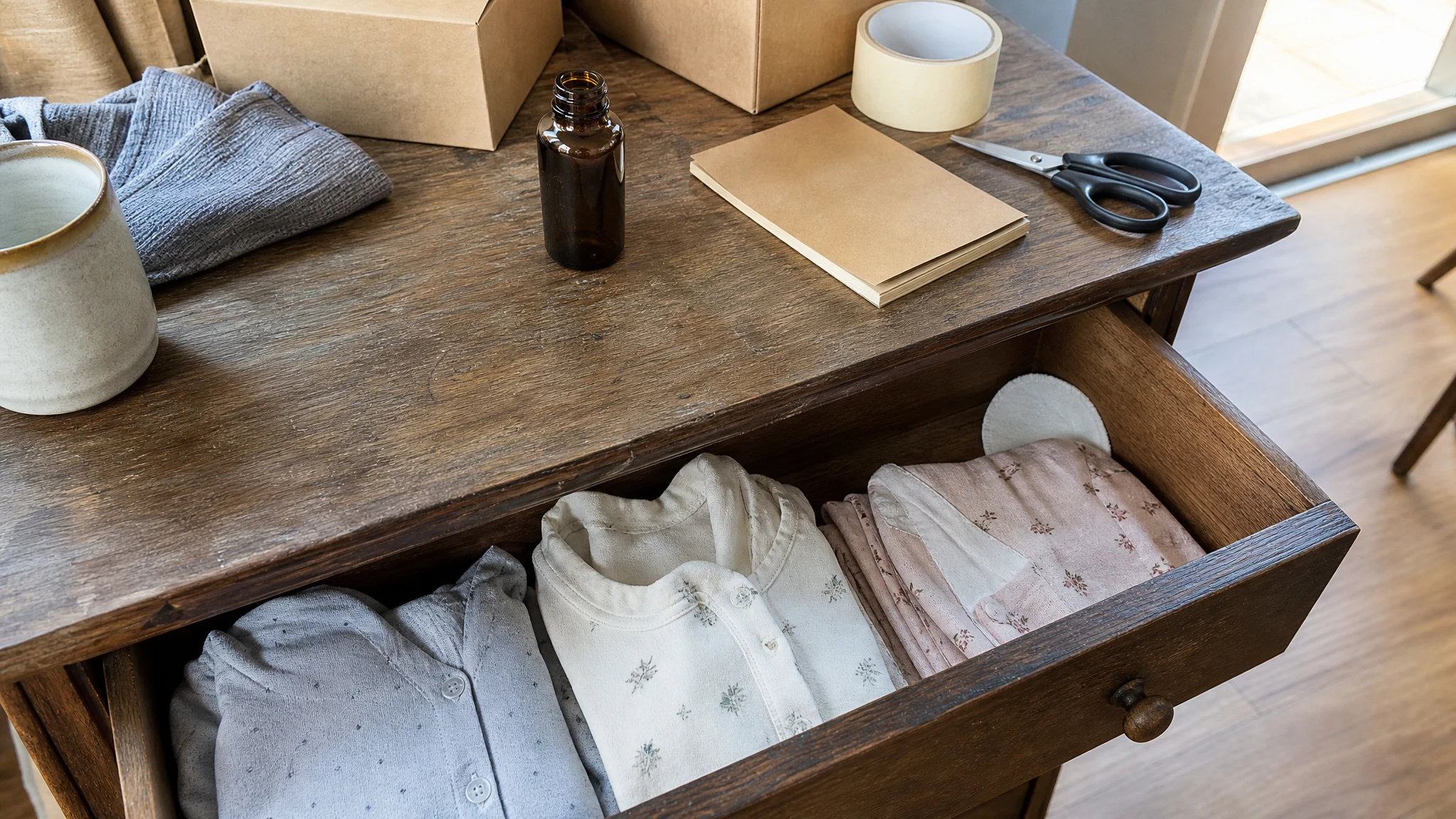
Cotton pads. Tucking a scented pad into a dresser drawer or gym bag is a nice way to let the fragrance carry for weeks, but think of the pad itself as an open bottle — it's now a flat surface with maximum air exposure, exactly the condition that speeds oxidation. If you also like pressing a pad against skin, keep in mind that bergamot peel oil contains compounds called furocoumarins, which can make skin more reactive to UV light for a period after contact. That's a well-documented property of cold-pressed bergamot oil generally, not something specific to how we make ours (Tisserand & Young, Essential Oil Safety, 2nd ed., 2014). The simple fix is to keep bergamot-containing blends off skin that's heading into direct sun that day, and to save the cotton pad trick for drawers and bags rather than skin contact.
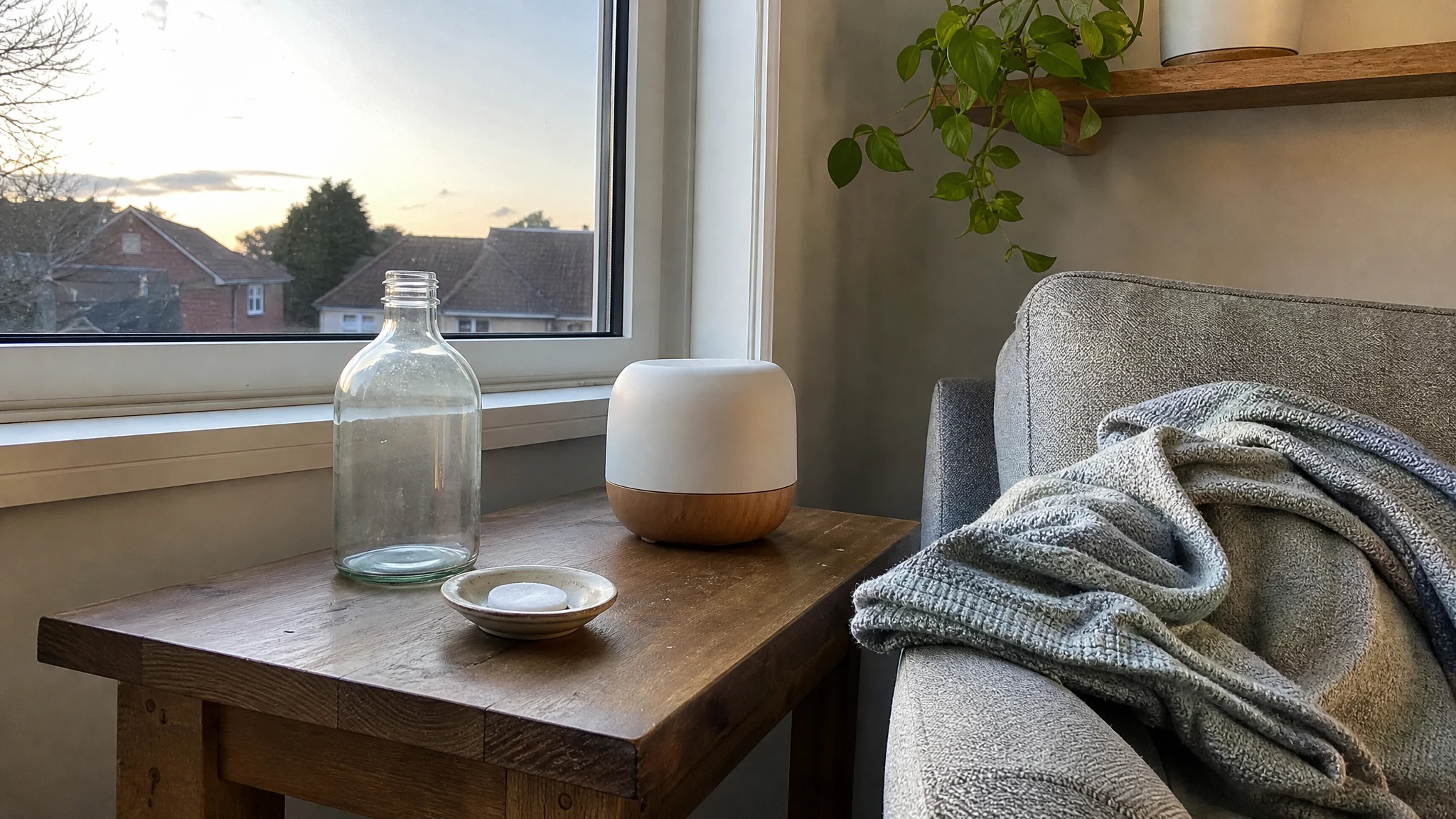
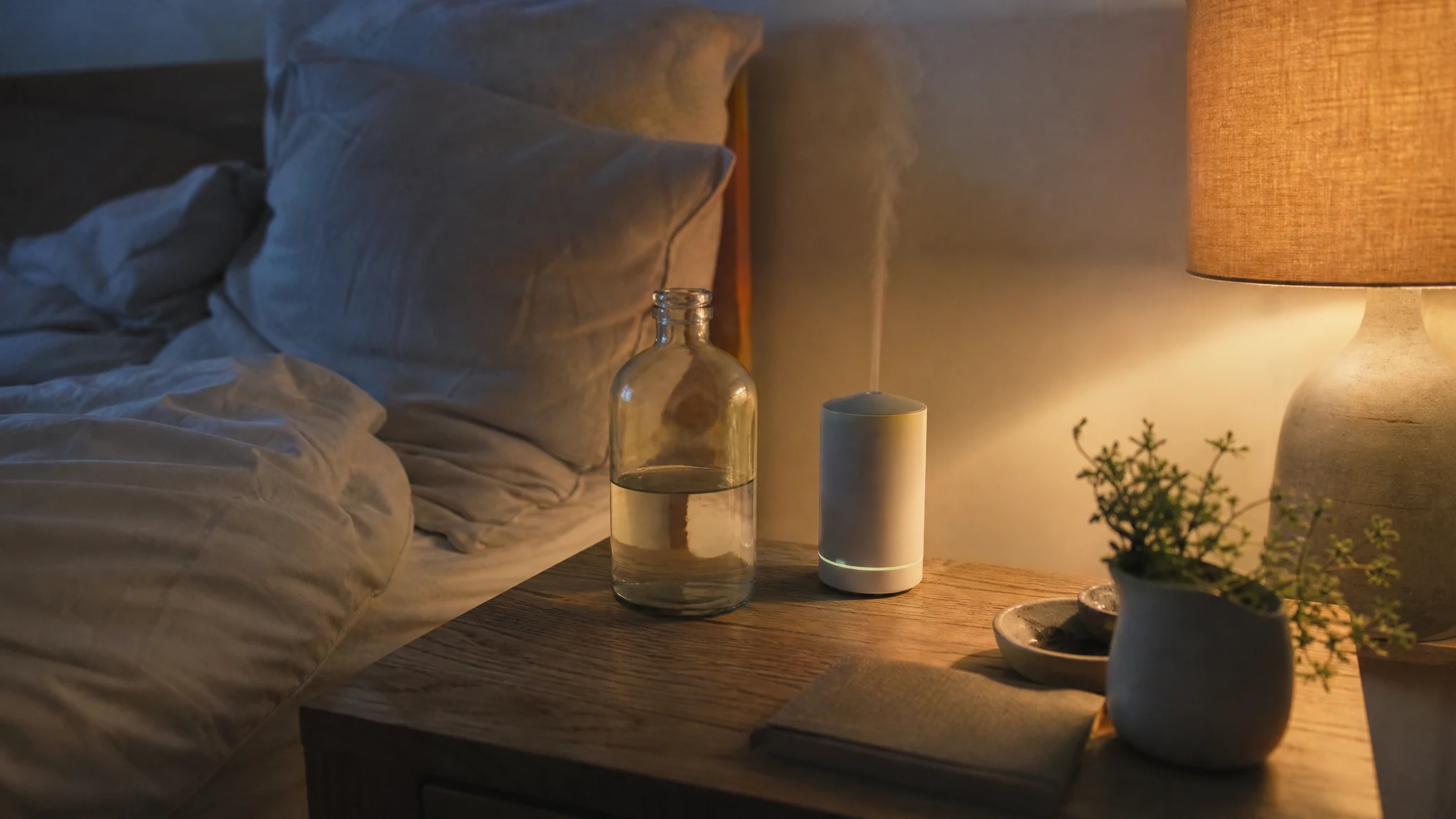
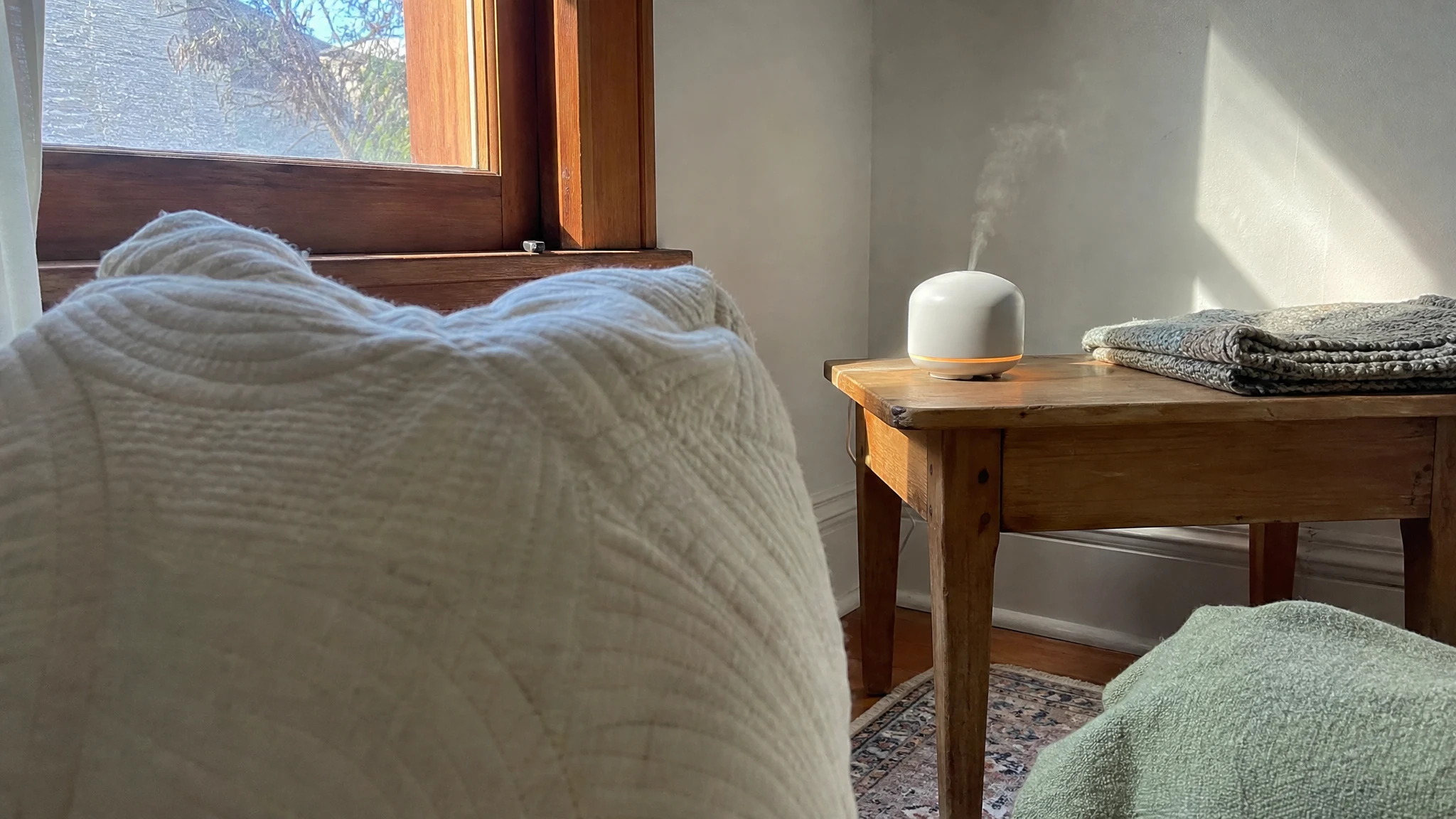
Diffusers. This is the lowest-maintenance use, and the one we'd point most people toward for everyday scenting of a living room or office. Oil goes from bottle to diffuser reservoir with no storage step in between, so oxidation risk is minimal — just recap the bottle right after filling.
Room mist sprays. Mixing a few drops into a spray bottle of water and witch hazel is simple, but essential oils don't dissolve in water. They float as tiny droplets and separate out again within minutes. Shake the bottle before every single use, not just the first time, or you'll spray mostly water for a while and then a concentrated amount of oil near the bottom. A mixed spray also has a shorter practical life than the oil in its original bottle, since that water-oil mixture is a friendlier environment for oxidation and for anything else in the water to grow. Mix only what you expect to use in a few weeks, and keep the spray bottle out of direct light.
Signs it's time to let a bottle go
Trust your nose and eyes over a calendar date. A bergamot-forward blend that's turned noticeably darker, thicker, or sharper-smelling than when you bought it has likely oxidized meaningfully, even within a year of purchase. The citrus component degrades faster than the lavender and chamomile in this blend, so a change in the bright, citrusy top note is usually the first thing you'll notice. When that happens, the oil is better suited to a diffuser blend or stirred into unscented soap or candle wax, lower-exposure uses, than applied to skin — or simply replaced.
Who should be more careful with this
Anyone planning significant sun exposure the same day shouldn't apply a bergamot-containing blend directly to skin, for the phototoxicity reason above. People with known fragrance sensitivities or reactive skin should patch-test any new blend on a small area and watch it over 24 to 48 hours before wider use, and should talk to a dermatologist or allergist first if they have a history of reactions to fragrance ingredients. Oils carried on diffuser air can also affect pets — cats in particular process certain plant compounds differently than humans do, and the ASPCA Animal Poison Control recommends running diffusers only in rooms pets can freely leave rather than closed spaces. None of this makes storage complicated. A cool, dark cupboard and a cap that actually gets closed handle most of it.
Frequently Asked Questions
Should I store this blend in plastic or glass bottles?
Glass is strongly preferred over plastic. The article notes that citrus oils like bergamot act as natural solvents, and groups like NAHA recommend against long-term plastic storage since the oil can break down softer plastics and pick up compounds from them. Dark glass, amber or cobalt, also blocks UV light that accelerates oxidation.
Is it safe to apply this blend to skin before going out in the sun?
No, the article advises against it. Bergamot peel oil contains furocoumarins, which can make skin more reactive to UV light after contact, a documented property of cold-pressed bergamot oil generally. The simple fix suggested is keeping bergamot-containing blends off skin heading into direct sun that day.
How do I know when a bottle has oxidized and should be replaced?
Trust your nose and eyes rather than a calendar date. The article says a bergamot-forward blend that's turned noticeably darker, thicker, or sharper-smelling has likely oxidized meaningfully, even within a year. A change in the bright, citrusy top note is usually the first sign.
What's the best way to use this blend with minimal storage risk?
Diffusing is described as the lowest-maintenance use. Oil goes straight from bottle to diffuser reservoir with no storage step in between, so oxidation risk is minimal, as long as you recap the bottle right after filling. The article points most people toward this for everyday scenting.
How long does a room mist spray made with this blend stay good?
It has a shorter practical life than oil in its original bottle. The article explains the water-oil mixture is a friendlier environment for oxidation and for other growth, so you should mix only what you'll use in a few weeks, shake before every use, and keep it out of direct light.
Can diffusing this blend around pets cause problems?
The article flags this as a concern worth extra care. It notes that oils carried on diffuser air can affect pets, and that cats in particular process certain plant compounds differently than humans, pointing to the ASPCA Animal Poison Control as a resource, though it doesn't give further detail.